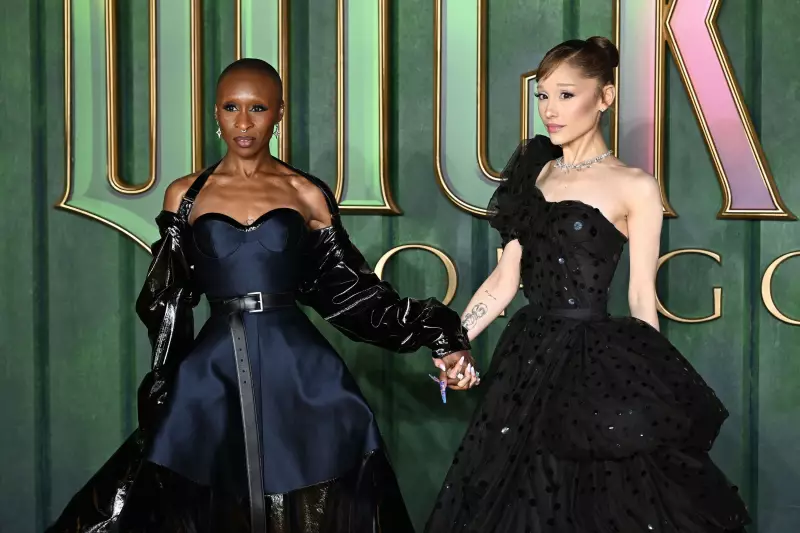
The European premiere of the special "Wicked: For Good" on November 10 in London, starring Cynthia Erivo and Ariana Grande, has unexpectedly reignited a long-standing and often uncomfortable conversation within the entertainment industry. The event, captured by photographers including Kate Green for Getty Images, has brought discussions about body representation, imagery, and societal standards back to the forefront of cultural discourse.
The Premiere That Prompted Reflection
While the "Wicked: For Good" event was intended to celebrate the musical's legacy and philanthropic efforts, the public appearance of its leading stars served as a catalyst. The visual contrast and the immediate public and media reaction to the images of Erivo and Grande on the red carpet highlighted the persistent scrutiny faced by performers regarding their physical appearance. This scrutiny is not new, but the context of a major franchise revival has amplified the debate, forcing audiences and critics alike to confront the ingrained biases and expectations placed on actors, particularly women, in the spotlight.
Unpacking the Core of the Debate
The debate revolves around several key, interconnected issues. First is the question of representation and the limited range of body types traditionally celebrated in mainstream film and musical theatre. Second is the intense pressure on performers to conform to often unrealistic beauty standards, which can have significant impacts on mental and physical health. Finally, there is the ethical responsibility of media in how they choose to frame, photograph, and discuss actors' bodies. The conversation asks whether the industry is making meaningful progress toward inclusivity or simply paying lip service to the concept while perpetuating the same old patterns.

Broader Implications for Hollywood and Audiences
This renewed discussion following the "Wicked: For Good" premiere has implications that extend beyond a single red carpet. It challenges casting directors, producers, and costume designers to consider diversity in all its forms. It also calls on the media and the public to be more mindful consumers of celebrity culture, questioning why physical appearance remains such a dominant topic. The hope among many advocates is that high-profile moments like this can lead to more substantive change, encouraging stories that celebrate talent without reducing performers to their physical attributes and fostering an environment where all body types are respected and represented authentically on screen and stage.
The incident serves as a reminder that while entertainment often aims to provide escape, it also holds up a mirror to society's values and flaws. The dialogue sparked by the premiere is a necessary, if uncomfortable, step toward examining and ultimately reshaping those values for the better.