White House Communications Director Dismisses Kesha's Criticism Over Song Use
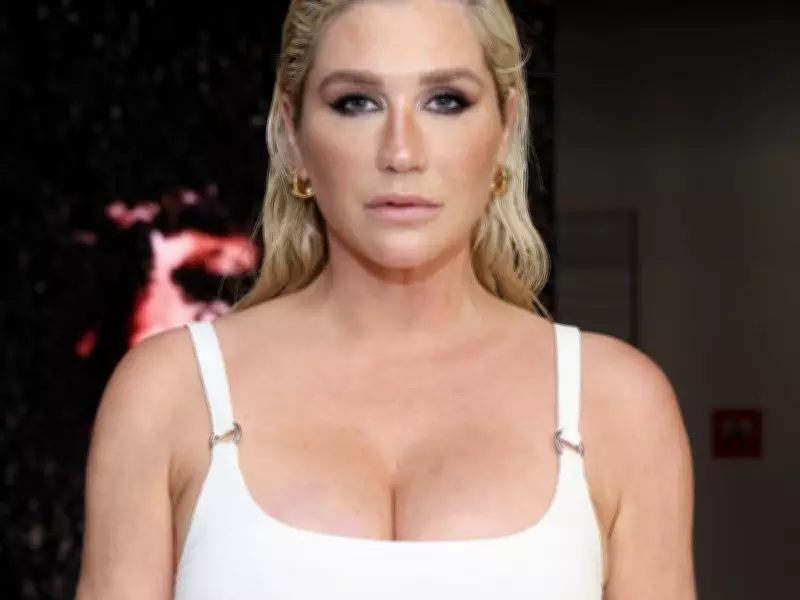
An official from Donald Trump's administration has publicly mocked pop singer Kesha after she criticized the White House for using one of her songs without permission on the social media platform TikTok. The controversy erupted when the White House's TikTok account posted a video compilation featuring military fighter jets set to Kesha's 2010 hit Blow, captioned with the word "Lethality."
Kesha's Strong Condemnation of the Video
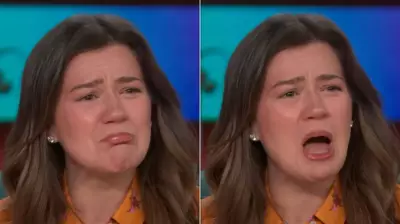
Kesha, a two-time Grammy nominee, took to the social media platform X to express her outrage. She stated that the White House was attempting to make light of war by using her music to incite violence. "Trying to make light of war is disgusting and inhumane," Kesha wrote. "I absolutely do NOT approve of my music being used to promote violence of any kind." She emphasized that love should always triumph over hate and urged people to care for themselves and each other during difficult times.
In her post, which has garnered significant attention, Kesha also referenced Donald Trump's appearance in the Jeffrey Epstein files, calling him a "criminal predator" and noting that his name appears over a million times in the documents. The TikTok video in question has been viewed more than 17.6 million times and liked by over 2 million users, highlighting the widespread reach of the contentious content.

White House's Dismissive Response
Steven Cheung, the White House Director of Communications, responded to Kesha's criticism with a sarcastic post on X. He wrote, "All these 'singers' keep falling for this. This just gives us more attention and more view counts to our videos because people want to see what they're bitching about. Thank you for your attention to this matter." This dismissive reply underscores the administration's strategy of leveraging controversy to amplify its social media presence, regardless of artistic objections.
History of Artists Protesting White House Music Use
Kesha is not the first artist to protest the use of her music by the Trump White House. She joins a growing list of musicians who have voiced their disapproval, including:
- Olivia Rodrigo and Sabrina Carpenter, who accused the administration of being "evil and disgusting" for using their songs in videos depicting Immigration and Customs Enforcement (ICE) actions.
- Radiohead, who demanded that ICE remove their song Let Down from a video and told officials to "go f— yourselves."
- The Rolling Stones, who, a decade ago, requested that Donald Trump stop using their music during his presidential campaign events.
- Celine Dion, who slammed the use of her Titanic song in White House materials.
These incidents highlight an ongoing pattern where the White House utilizes popular music in social media content to promote its policies, often facing backlash from the artists whose work is appropriated without consent.
Broader Context of Celebrity Feuds with the Administration
The clash with Kesha is part of a larger trend of conflicts between the Trump White House and various celebrities. Notable figures such as Robert De Niro, Bruce Springsteen, and Taylor Swift have also been embroiled in public disputes with the administration. For instance, after De Niro emotionally urged Americans to resist Trump in an interview, the president suggested on Truth Social that the actor should leave the United States, comparing him unfavorably to Rosie O'Donnell.
White House spokeswoman Abigail Jackson reinforced the administration's unapologetic stance in response to Sabrina Carpenter's complaints, stating, "we won't apologize for deporting dangerous criminal illegal murderers, rapists, and pedophiles from our country." This rhetoric reflects a consistent approach of dismissing artistic concerns while emphasizing law enforcement narratives.

The ongoing tensions between the White House and the entertainment industry illustrate deeper cultural and political divides, with music and celebrity influence becoming battlegrounds for public opinion and policy promotion. As social media continues to play a pivotal role in political communication, such controversies are likely to persist, raising questions about copyright, artistic integrity, and the ethical use of creative works in governmental messaging.