The Rise of Wasian Identity in 2026: Celebrities and Community Building
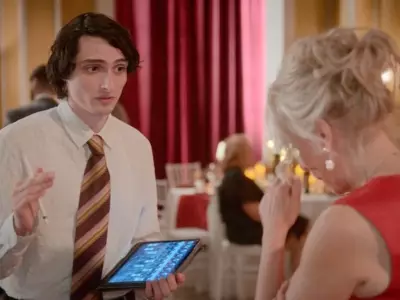
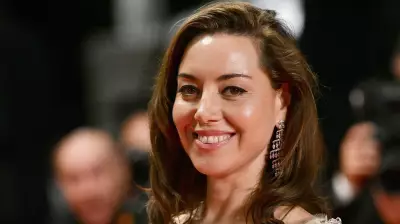
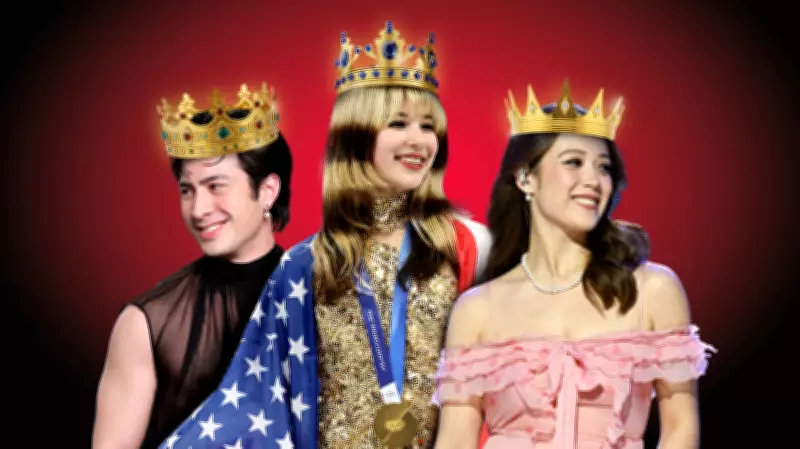
In 2026, Olympic gold medalist Alysa Liu, actor Hudson Williams from "Heated Rivalry," and singer Laufey have emerged as prominent figures, not just for their talents but as symbols of a growing cultural movement. These stars are celebrated by online fans as princes and princesses of the fictional royal court of Wasia, part of the "Wasian Avengers" united by their mixed-race identity. Wasian, a blend of "white" and "Asian," is gaining unprecedented visibility, according to Myra Washington, an associate professor at the University of Utah who studies mixed-race identities. She notes that this generation is pioneering new ways to categorize themselves, with social media platforms like TikTok and Instagram fueling a fixation on tracing white-Asian heritage among celebrities.
Celebrity Embrace and Social Media Impact
Famous Wasians are actively embracing the label, as seen in Laufey's music video "Madwoman," which features Liu, Williams, actress Lola Tung, and Katseye's Megan Skiendiel. In a social media post, Liu captioned "Shoutout Wasiaaaa," with Laufey replying, "Long live wasia." Laufey explained to the Hollywood Reporter that she aimed to provide representation for people who look like her, addressing a lack she felt growing up in music and media. This visibility is resonating with fans, such as Hailey Buss, a 22-year-old TikTok creator from Chicago who calls herself the "secretary of wasia." Buss believes that Williams' rise in "Heated Rivalry" and Liu's ice skating victory have helped cement 2026 as the year of the Wasian, with many discovering a shared identity online.
Historical Context and Terminology Evolution
LeiLani Nishime, a professor of communication at the University of Washington, points out that Wasian is the latest in a series of terms for mixed-race Asian Americans in U.S. history. After the Vietnam War, terms like Amerasian were used, while in the 1980s and 1990s, "hapa" from Hawaiian became popular before falling out of favor due to cultural appropriation concerns. Nishime explains that the term Wasian can help name specific experiences and foster community, allowing people to think more complexly about race. Its playful nature invites humor, with online fans even playfully designating Keanu Reeves as the "king" of Wasia, adding a lighthearted element to discussions of identity.

Community Benefits and Potential Pitfalls
While the Wasian term creates community, it also reflects uneven divides. Nishime warns that it can create boundaries, leading to rigid definitions of what a Wasian should be. Washington cautions against labeling others without their consent, emphasizing that the term should only be self-applied. For many Wasians, shared experiences of displacement and alienation unite them, as they often face stereotypes and feel they don't fully belong to either ethnic group. Buss, who is Korean American, notes that in South Korea, she wasn't accepted as Korean, making the broader Wasian label more relatable. This highlights how the term serves as a coping mechanism for those navigating multiracial identities.
Representation Gaps and Cyclical Trends
The current Wasian era follows previous visibility for Blasians (Black-Asian individuals), such as Dwayne "The Rock" Johnson and Kamala Harris, showing how these trends are cyclical, according to Washington. However, within the Wasian community, there's unequal attention, with East Asian Wasians like Williams and Liu receiving more focus. Buss points out that Laufey's video featured only East Asian leads, calling for greater South Asian representation. Nishime attributes this imbalance to factors like wealth and political power in East Asia, which centers certain groups in conversations. This underscores ongoing progress needed in mixed-race representation, even as on-screen media takes small steps forward.

Looking Ahead: Inclusivity and Online Solidarity
For now, the rise of Wasian representation in media is fostering online community, with people seeking validation in comments sections. Buss recalls interactions where individuals question if they "count" based on their heritage, receiving supportive responses like, "Yes, girl, you're part of us." This demonstrates the term's power to build solidarity, though challenges remain in ensuring inclusivity across all Asian backgrounds. As attitudes evolve, the Wasian movement continues to shape discussions on identity, offering both humor and a sense of belonging in an increasingly connected world.