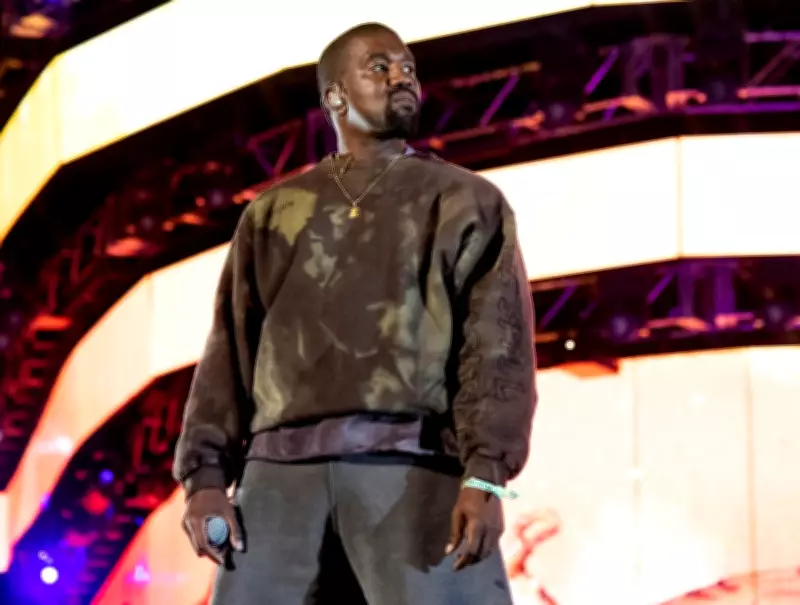
The United Kingdom government has officially blocked rapper Ye, previously known as Kanye West, from entering the country to headline a prominent music festival. This move prevents the controversial artist from performing at the event, which was scheduled to feature him as a top-billed act.
Background on the Artist and Decision
Ye, who legally changed his name from Kanye West in 2021, has been a polarizing figure in the entertainment industry due to a series of public statements and actions that have drawn widespread criticism. The UK government's decision to deny his entry is based on concerns over his potential impact on public order and safety, reflecting a broader pattern of authorities scrutinizing individuals with contentious backgrounds.
Impact on the Festival and Music Scene
The festival, which has not been named in official reports, now faces the challenge of finding a replacement headliner on short notice. This disruption could affect ticket sales and overall attendance, highlighting the significant influence that high-profile artists have on major cultural events. Organizers are likely scrambling to secure an alternative act to maintain the festival's appeal and financial viability.

This incident underscores the ongoing tension between artistic expression and governmental regulation in the global music industry. Similar cases have occurred in other countries, where artists with controversial reputations have been barred from performing due to security or ethical concerns.
Reactions and Broader Implications
Fans and critics alike have expressed mixed reactions to the news, with some supporting the government's stance as a necessary measure to uphold public values, while others view it as an infringement on artistic freedom. The decision may set a precedent for how other nations handle similar situations involving high-profile entertainers with divisive public personas.
In recent years, Ye has faced numerous controversies, including antisemitic remarks and erratic behavior, which have led to severed partnerships with major brands and widespread condemnation. The UK's action adds to a growing list of professional setbacks for the rapper, potentially affecting his future international touring opportunities.
As the festival approaches, all eyes will be on how organizers adapt to this unexpected change and whether other countries might follow suit in restricting Ye's travel. This case serves as a reminder of the complex interplay between celebrity culture, political decisions, and public sentiment in today's interconnected world.