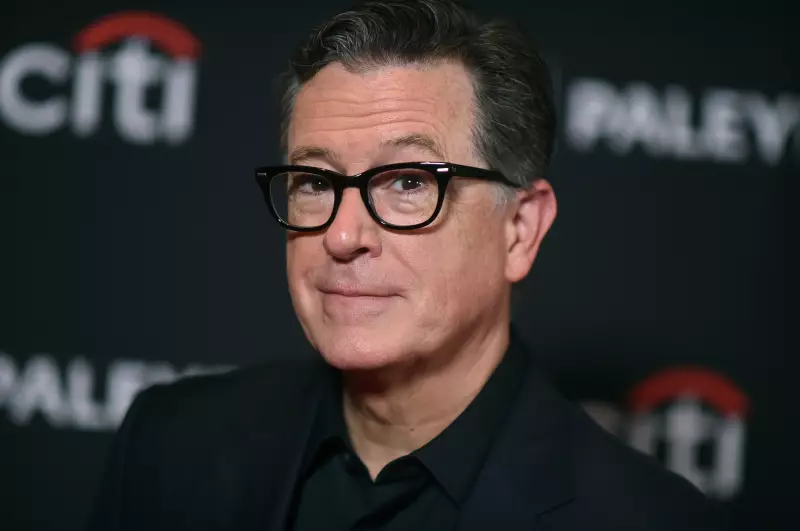
Former U.S. President Donald Trump has stirred significant controversy with a provocative statement aimed at late-night television host Stephen Colbert. In comments reported on December 24, 2025, Trump suggested the comedian should be 'put to sleep.' The remark has quickly escalated into a major news story, drawing sharp criticism and raising questions about political rhetoric.
The Inflammatory Comment and Its Immediate Fallout
The statement from Trump, delivered via a platform or statement covered by the AFP news service, directly targeted Stephen Colbert, the host of CBS's 'The Late Show.' The phrase 'put to sleep' is widely interpreted as a violent and threatening idiom, leading to immediate backlash from media figures, free speech advocates, and political commentators. The incident adds to a long history of friction between Trump and the media, particularly satirical news programs that have frequently criticized his policies and persona.
Context: A Persistent Feud
The animosity between Donald Trump and Stephen Colbert is not new. Colbert's show has been a consistent source of satire aimed at the former president, often using monologues and comedy segments to critique his actions. Trump's latest comment represents a significant escalation in this ongoing feud, moving from criticism of content to a personal attack perceived by many as endorsing violence. The news broke amidst a busy holiday news cycle, yet it captured significant attention due to its severe nature.

Broader Implications for Political Discourse
This event reignites debates about the boundaries of political speech and the safety of journalists and media personalities. Advocacy groups have previously warned that violent rhetoric from high-profile figures can incite real-world threats. The comment about Colbert will likely fuel further discussions on the responsibility of public figures in shaping civil discourse. As of this reporting, there has been no official response from Stephen Colbert or CBS regarding Trump's statement, but the story continues to develop rapidly.
The controversy underscores the deeply polarized media landscape and the potent intersection of entertainment, politics, and personal attack in modern public life.