Finding Unexpected Solace in Fictional Farewells
Closure remains an elusive goal when confronting profound grief. The aftermath of loss often leaves survivors grappling with unanswered questions and unresolved plot holes in the narrative of a loved one's life. Imagine my astonishment, then, when I discovered a semblance of that very closure through an unexpected source: the television series "The Pitt."
The Parallel Stories of Louie and Tommy
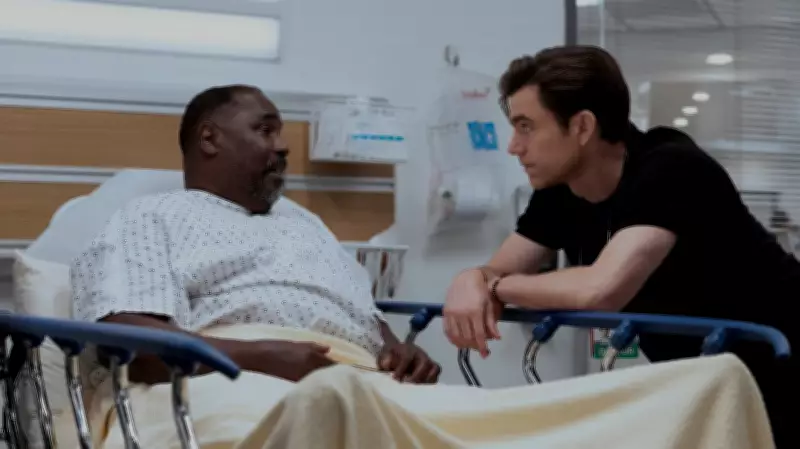
For context, series regular Louie—a homeless alcoholic portrayed with heartbreaking authenticity by Ernest Harden Jr.—succumbed to his disease in Season 2, Episode 6. Louie was characterized by his kindness, big-hearted nature, and radiant smile, yet his mysterious background left viewers wondering how someone so inherently personable could find himself in such dire circumstances. He represented a character audiences universally hoped would overcome his struggles.
Yet he did not survive. This outcome, while devastating, aligned perfectly with "The Pitt's" commitment to realism—a veritable masterclass in art imitating life's harshest truths. While I rooted for Louie's recovery, I understood all too well that his fate was sealed. Nearly two decades ago, my oldest brother Tommy died from alcoholism in a hospital, surrounded by strangers.

Tommy was the first of five children and undoubtedly the most intellectually gifted—the type who aced exams without studying and forged friendships effortlessly. A talented carpenter with an infectious laugh and gentle smile, he possessed a beautiful, selfless soul. However, when Tommy drank, he transformed into someone unrecognizable. He couldn't maintain employment, honor sobriety pledges, or secure stable housing. Instead, he drifted among family members until his addiction made coexistence impossible.
The Brutal Reality of Addiction
Tommy was an alcoholic tormented by demons none of us could help him conquer, no matter how desperately we tried. You cannot love someone into sobriety—if such power existed, Tommy would never have touched another drop. Between temporary shelters, he lived on streets that eventually became his permanent address. Our family often lost track of his whereabouts, occasionally spotting him behind buildings or stores. We would sometimes read about unidentified deceased men and frantically investigate whether they might be Tommy. I recall my sister calling police to inquire if one such man had a vulture tattoo. It wasn't him. Yet.
We perpetually awaited the moment when it would be him. The question was never if but when. Our mother agonized over the possibility that he might vanish without a trace, leaving us forever wondering about his fate. In late September 2006, the waiting ended. A hospital contacted our other brother—the only sibling still residing in New Jersey—to report that Tommy had died from multi-organ failure under their care. He was just weeks shy of his fifty-first birthday.
Grief's Unanswered Questions
The certainty brought relief; death provided some closure. Yet grief introduced new questions: Why hadn't Tommy called our brother Timmy before dying? He didn't have to spend his final moments surrounded by strangers. This sentiment lingered in my mind for years, until Louie's death on "The Pitt" transformed my tears from mere empathy for a fictional character into renewed grief for my brother.
Unlike Tommy, Louie did not die alone. He was surrounded by people who genuinely cared for him—individuals who mourned his passing and would feel his absence. This fictional medical crew offered a hopeful mirror to the real healthcare team that likely attended to Tommy. I choose to believe that in his final moments, someone cleaned him, spoke kind words, and ensured he transitioned with dignity. Perhaps they held his hand. Maybe, while he lived, they showed him the compassion so rarely extended to those experiencing homelessness.
Redefining the Narrative
"The Pitt" powerfully reminds us that every human being has an origin story, and every pain has a source. While I may never pinpoint the exact catalyst for Tommy's alcoholism—beyond challenging genetics—I hope that during one of his hospital visits, he found someone to confide in. I hope he unloaded whatever burdens weighed upon him, and that someone listened with genuine empathy.

Even those who become lost to their families, as Tommy did, remain inherently worthwhile and deserving of grace, respect, and compassionate care. Midway through my emotional breakdown while watching the episode, I realized my tears stemmed not solely from sorrow but also from an emerging peace. "The Pitt" reshaped the narrative of Tommy's death from a cold, lonely event into one where he was likely cared for by good people—individuals wrestling with their own demons yet kind enough to be present as he slipped his earthly bonds and journeyed toward something far better.