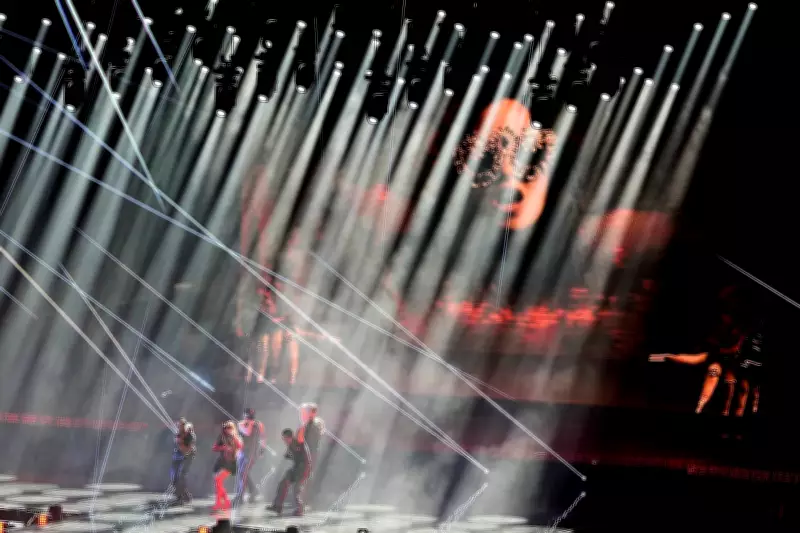
Spain's announcement of a boycott of the Eurovision Song Contest due to Israel's participation has left fans deeply divided. The decision, reported by WorldNews Service and The Associated Press, comes ahead of the 70th edition of the contest held in Vienna, Austria. The controversy underscores the growing intersection of politics and entertainment in the beloved annual event.
Background of the Boycott
Spanish officials cited concerns over Israel's policies as the primary reason for the boycott. This move has sparked a heated debate among Eurovision enthusiasts, with some supporting the stance as a form of protest, while others argue that music should remain apolitical. The contest, known for its glitz and glamour, has increasingly become a platform for political statements in recent years.
Fan Reactions
Reactions from fans have been mixed. Many took to social media to express their disappointment, fearing that the boycott undermines the spirit of unity that Eurovision promotes. Others applauded Spain for taking a stand on human rights issues. The division reflects broader societal tensions regarding the Israeli-Palestinian conflict.

Impact on the Contest
The boycott could affect voting patterns and viewership. Eurovision relies on a combination of jury and public votes from participating countries. Spain's absence may shift the dynamics, potentially benefiting other acts. Organizers have yet to comment on the situation, but past boycotts have sometimes led to rule changes or diplomatic discussions.
Historical Context
This is not the first time Eurovision has faced political boycotts. In 2022, Russia was banned following its invasion of Ukraine, and previous years have seen protests over various issues. The contest's governing body, the European Broadcasting Union, typically emphasizes that the event is non-political, but enforcement has been inconsistent.
As the grand final approaches, all eyes will be on Vienna to see how the boycott unfolds. For now, fans remain torn between their love for the music and their political convictions.