ESPN Veteran Sarah Spain Labels VP JD Vance a 'Demon' at Olympics
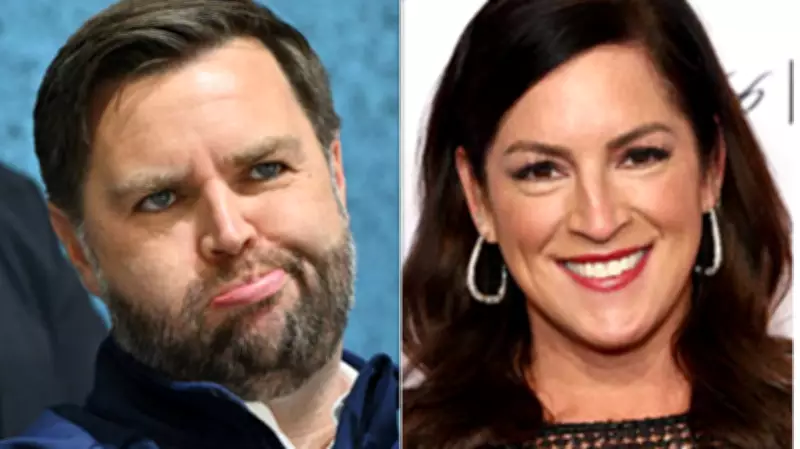
Sports commentator Sarah Spain, renowned for her 15-plus year tenure at ESPN, has ignited a firestorm with her recent comments about Vice President JD Vance. During an episode of her "Good Game" podcast recorded on February 6, Spain recounted an encounter with Vance at a U.S. women's hockey match during the Winter Olympics in Milan-Cortina, describing him in starkly negative terms.
Satanic Vibes and Demon Energy
Spain, a former panelist on ESPN's "Around the Horn," did not mince words when discussing Vance's appearance alongside Secretary of State Marco Rubio at the event. She labeled it a "lowlight" of her podcast coverage and expressed visceral discomfort. "When I see JD Vance's eyeliner face, I literally feel ill," Spain stated. "I feel like I just looked at a demon, like the devil, and I don't even believe in that."
Elaborating further, she described a physical reaction to his presence. "My body felt like when you have been spooked and you have a little tingle that feels like, 'Ooh, something's not right,'" Spain continued. "Or like when you get in a situation and you feel like, 'Oh, some of the energy's bad, something could go wrong here, maybe I should get out of here,' or something's dangerous."

Political Context and Controversy
Spain's remarks extended beyond personal impressions to include political criticism. She noted that Vance's presence was "disgusting to me," linking it to his support for the Trump administration's migrant crackdown, which she referenced in connection to the killings of two protesters. She alleged that the vice president exuded "demon energy," a phrase that has since circulated widely in conservative media outlets, amplifying the controversy.
The vice president attended a U.S. game against Czechia at the Olympics, but his representation was not without incident. Vance faced boos during the Opening Ceremony, and his motorcade reportedly nearly caused a U.S. figure skater to be late for her competition. Additionally, he received criticism for advising athletes that "you're not there to pop off about politics," a statement that clashed with the actions of several athletes who have spoken out against the Trump administration. One athlete even protested by writing "fuck ice" in the snow with urine, highlighting the political tensions at the Games.
Broader Implications and Reactions
Spain's comments have sparked debate about the intersection of sports, politics, and personal expression. Her use of dramatic language to describe a political figure has drawn attention from both supporters and detractors, with conservative media particularly focusing on her allegations. The episode underscores the ongoing polarization in public discourse, where even sporting events become arenas for political commentary.
As the story gains traction, it raises questions about the role of commentators in shaping perceptions and the boundaries of acceptable criticism in public forums. Spain's long-standing credibility in sports journalism adds weight to her words, making this incident a notable moment in the broader cultural and political landscape.