Kevin O'Leary Condemns Billie Eilish's Grammy Comments on 'Stolen Land'
Canadian entrepreneur Kevin O'Leary has publicly criticized singer Billie Eilish for her remarks about 'stolen land' during the 68th Annual Grammy Awards ceremony. The controversy erupted when Eilish, while accepting the award for song of the year, made statements that have sparked widespread debate and backlash.
Eilish's Grammy Speech Sparks Immediate Reaction
During her acceptance speech on February 1, 2026, the 24-year-old artist declared, 'As grateful as I feel, I honestly don't feel like I need to say anything, but, that no one is illegal on stolen land.' She continued by expressing her hope and encouragement for continued activism, stating, 'I just feel really hopeful in this room, and I feel like we just need to keep fighting and speaking up and protesting, and our voices really do matter, and the people matter.'
The comments quickly drew attention from various quarters, including indigenous communities and public figures like O'Leary, who offered his perspective on the matter through media appearances.

O'Leary's Blunt Assessment of Celebrity Activism
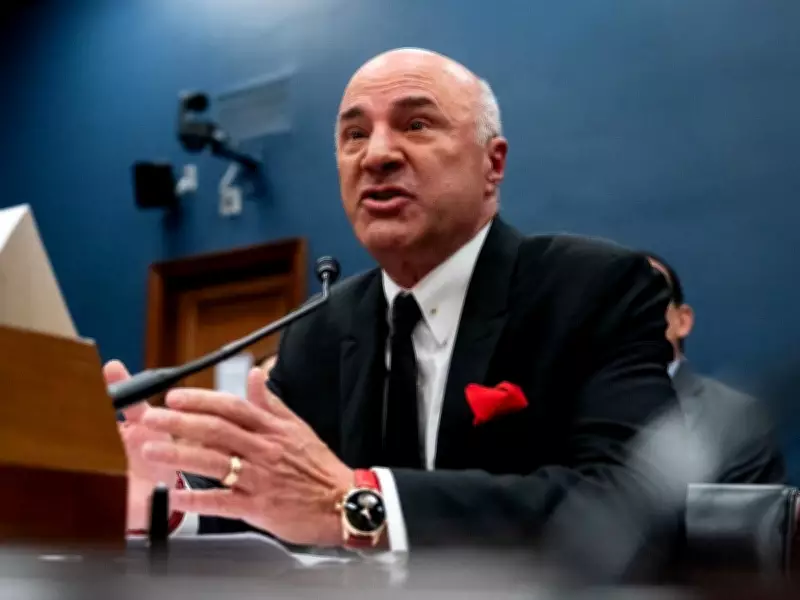
Kevin O'Leary, Chairman of O'Leary Ventures, shared his thoughts during an interview on Fox News' America Reports segment. He expressed sympathy for celebrities who 'wander into this kind of thing without doing at least a basic AI search.' O'Leary emphasized the importance of preparation, bluntly stating, 'She got torched but, you know, do your homework first.'
The businessman offered practical advice to entertainers, warning that political commentary can alienate audiences. 'Half the people in politics that you piss off won't buy your music anymore. Don't be stupid about it,' he cautioned. O'Leary further suggested that celebrities should 'shut your mouth and just entertain' as they rise to fame, highlighting what he sees as a fundamental lesson for public figures.
Tongva Tribe Responds to the Controversy
The indigenous Tongva Tribe, whose ancestral lands include the Los Angeles Basin, issued a statement addressing Eilish's comments. While acknowledging that the singer has not contacted them directly regarding her property, they expressed appreciation for her bringing visibility to historical issues. The tribe stated they value 'the instance when Public Figures provide visibility to the true history of this country' and have reached out to Eilish's team to convey their gratitude.
However, the Tongva Tribe also emphasized the importance of specific recognition, noting their hope that 'in future discussions, the tribe can explicitly be referenced to ensure the public understands that the greater Los Angeles basin remains Gabrieleno Tongva territory.'
Legal and Property Implications Emerge
The controversy has taken an unexpected turn with legal implications. Reports indicate that Eilish resides in a $3-million home in Los Angeles, which the Tongva Tribe identifies as part of their ancestral territory. In response to the situation, a Los Angeles law firm has offered to represent the tribe pro bono in potential eviction proceedings against the singer.
The firm asserted in a social media post that 'Eilish's admission that she lives on stolen land gives the tribe a rightful action for possession as the true owner of the property.' They claimed to have prepared a 30-day eviction notice ready for service, though no formal legal action has been confirmed at this time.
Broader Implications for Celebrity Discourse
This incident highlights the complex intersection of celebrity influence, political commentary, and indigenous rights in contemporary discourse. O'Leary's criticism reflects ongoing debates about the appropriate role of entertainers in social and political conversations, while the Tongva Tribe's response demonstrates how indigenous communities navigate visibility and recognition in mainstream media.
The controversy continues to develop as both supporters and critics weigh in on Eilish's statements, O'Leary's commentary, and the broader implications for how public figures address historical and territorial issues in their platforms.