The world of journalism has lost one of its most iconic and courageous figures. Peter Arnett, the Pulitzer Prize-winning correspondent whose fearless reporting from the front lines of the Vietnam and Gulf Wars brought the realities of conflict into living rooms worldwide, has died. The Associated Press confirmed his passing.
A Career Defined by Frontline Truth
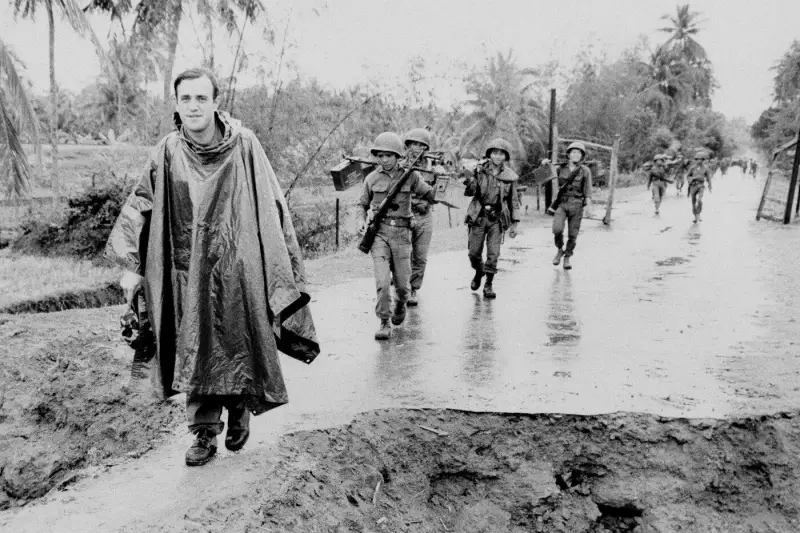
Arnett's career was built on a commitment to reporting from the heart of the story, often at great personal risk. Born in New Zealand, he rose to international prominence as a key correspondent for The Associated Press during the Vietnam War. His work there, including a famous image of him marching with Vietnamese troops in November 1965, exemplified his hands-on approach to journalism.
His dedication to truth-telling in Vietnam was recognized with journalism's highest honour: the Pulitzer Prize for International Reporting in 1966. He shared the award with fellow AP journalist Malcolm Browne for their compelling and comprehensive coverage of the escalating war and the political turmoil within the U.S.-backed South Vietnamese government.

From Saigon to Baghdad: A Lifetime of Conflict Reporting
Decades after Vietnam, Arnett would once again become a household name during the 1991 Gulf War. As a correspondent for CNN, he was one of the few Western journalists who remained in Baghdad during the Allied bombing campaign. His live reports from the Iraqi capital, often with air raid sirens wailing in the background, provided a unprecedented, real-time view of war from within the enemy's capital.
This historic reporting cemented his status as a journalist willing to go where few others would to bear witness. His career later included work for National Geographic and other major networks, but he remained forever associated with his groundbreaking wartime dispatches.
The Legacy of a Fearless Journalist
Peter Arnett's passing marks the end of an era in war correspondence. He represented a breed of journalist for whom being on the ground, amidst the danger and chaos, was the only way to authentically tell the story. His reporting shaped global understanding of two of the 20th century's most significant conflicts.
While his methods sometimes sparked controversy and debate about the role of journalists in war zones, his commitment to his craft was never in question. Arnett's body of work stands as a powerful testament to the importance of eyewitness journalism and the courage required to pursue it. He is survived by a legacy that continues to inspire journalists who report from the world's most dangerous places.