Kanye West Voices Remorse for Antisemitic Remarks, Points to Bipolar Disorder
In a recent development, the renowned rapper and artist Kanye West, now known as Ye, has publicly expressed regret over his past antisemitic rants. The controversy, which has sparked widespread outrage and debate, has taken a new turn as West attributes his behavior to his ongoing battle with bipolar disorder. This revelation comes amid a backdrop of intense public scrutiny and legal proceedings, including his appearance at the trial of Sean "Diddy" Combs in New York in June 2025.
Attributing Actions to Mental Health Struggles
West has openly blamed his bipolar disorder for the antisemitic comments that have drawn significant criticism from various communities and advocacy groups. Bipolar disorder, a mental health condition characterized by extreme mood swings, can sometimes lead to impulsive or erratic behavior, as noted by medical experts. In his statements, West emphasized that his remarks were not reflective of his true beliefs but rather a manifestation of his mental health challenges during difficult periods.
This acknowledgment marks a shift in his public stance, as he previously faced backlash without such explicit attributions to his condition. Mental health professionals often highlight the importance of understanding and support for individuals with bipolar disorder, while also stressing accountability for one's actions. West's case underscores the complex interplay between celebrity influence, personal health, and social responsibility.

Context of Ongoing Legal and Public Scrutiny
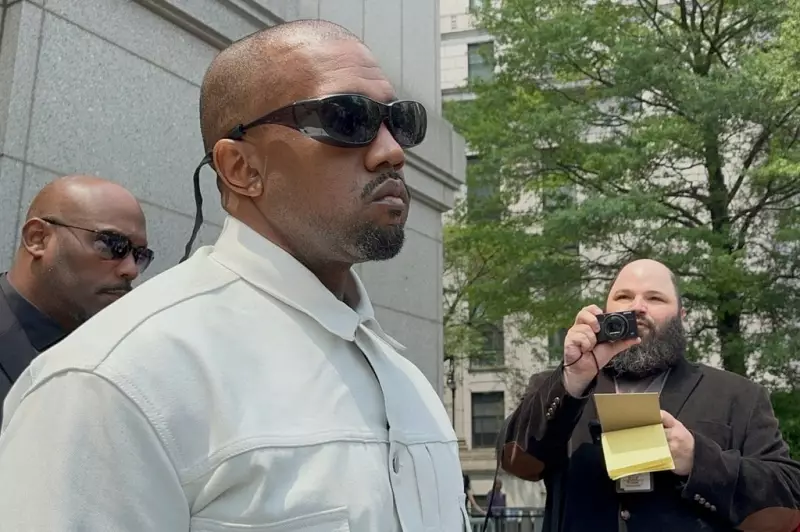
The timing of West's remarks coincides with his involvement in high-profile events, such as the federal court trial of Sean "Diddy" Combs, where he was photographed leaving the proceedings. This has kept him in the public eye, amplifying the impact of his statements. The entertainment industry and fans have been closely watching his actions, with many calling for greater awareness and sensitivity regarding mental health issues in the spotlight.
Public reaction has been mixed, with some expressing sympathy for his health struggles and others demanding more concrete apologies and actions to address the harm caused by his antisemitic rhetoric. Advocacy groups have reiterated the need for celebrities to use their platforms responsibly, especially when discussing sensitive topics like religion and ethnicity.
Broader Implications for Celebrity Culture and Mental Health
This incident highlights several key issues in contemporary society:
- The role of mental health in shaping public behavior and discourse among high-profile figures.
- The challenges of navigating personal struggles while under constant media and public scrutiny.
- The ongoing conversation about accountability and redemption in the face of controversial statements.
As West continues to grapple with these matters, his case serves as a reminder of the importance of mental health support and education, both within the entertainment industry and beyond. It also prompts reflection on how society responds to such controversies, balancing empathy with the need for justice and understanding.