The term "woke" has increasingly been deployed as a derogatory insult in modern discourse, yet its foundational purpose was to commend individuals who have awakened to the deep-seated racism, antisemitism, and misogyny pervasive in society. This linguistic shift highlights a broader cultural tension, where progress often meets resistance, exemplified by Hollywood's long history of problematic portrayals that continue to spark debate today.
The Original Intent of 'Woke'
Originally, "woke" served as a badge of honor, praising those who recognized and challenged systemic injustices. It emerged from social justice movements to denote awareness and activism against discrimination. However, in recent years, it has been co-opted as a pejorative, often used to dismiss calls for equity and inclusion. This transformation reflects a societal pushback against efforts to address historical wrongs, particularly in the entertainment industry.
Hollywood's Troubled Legacy
Classic films, once celebrated as cinematic masterpieces, now reveal cringe-inducing messages upon closer inspection. For instance, Breakfast at Tiffany's (1961), starring Audrey Hepburn and George Peppard, features Mickey Rooney's portrayal of Mr. Yunioshi, a character depicted in "yellow-face" with exaggerated stereotypes like buck teeth and a thick accent. Today, this racist caricature is widely condemned, yet the film often airs without content warnings, unlike movies depicting anti-Black racism such as Gone With The Wind.

This discrepancy suggests a troubling hierarchy in Hollywood's acknowledgment of prejudice. While films with racist depictions of Black characters may include disclaimers, those with anti-Asian stereotypes frequently do not, perhaps rooted in historical contexts like World War II-era animosities. The assumption that Hepburn's charm overshadows such racism is flawed, as it perpetuates harmful narratives.
Beyond Isolated Incidents
Breakfast at Tiffany's is not an outlier but part of a persistent pattern of ignorance in cinema, from early full-length movies to contemporary productions. Critics often dismiss calls to address these issues with retorts like, "Can't you take a joke?" but the proper response underscores the lack of humor in perpetuating stereotypes. This ongoing struggle is where "woke" re-enters the conversation, though its meaning is often twisted, leading even liberal-minded individuals to express frustration.
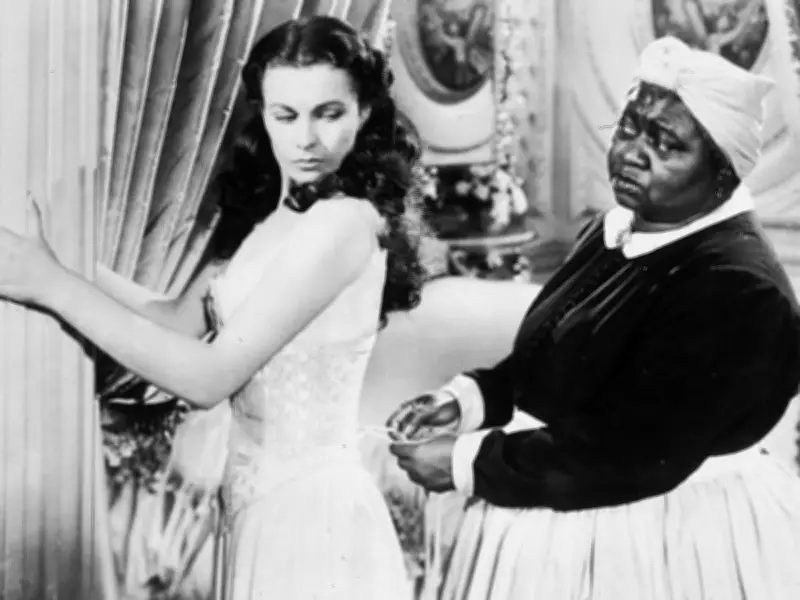
For example, The Devil Wears Prada, praised for performances by Meryl Streep and Anne Hathaway, has been critiqued for sexist elements, such as constant references to Hathaway's character by her dress size. Similarly, scenes in Gone With The Wind, like Rhett Butler carrying Scarlett O'Hara upstairs, are reinterpreted through modern lenses, challenging viewers to decide if they depict romance or something more sinister. Such commentary disrupts nostalgic emotions, forcing a reevaluation of beloved classics.
Progress and Backlash
Welcome to the complex reality of progress, where each step forward often triggers two steps back. Society has undeniably advanced, as evidenced by increased scrutiny of media content, but resistance remains strong. The evolution of "woke" from a term of empowerment to one of derision mirrors this dynamic, highlighting the ongoing battle to confront Hollywood's history of racism and sexism without succumbing to backlash.
Ultimately, being "woke" in its true sense means calling out these injustices, not as an insult but as a necessary act of awareness. As audiences continue to engage with both old and new films, this dialogue is essential for fostering a more inclusive and equitable entertainment landscape, one where historical prejudices are acknowledged rather than ignored.