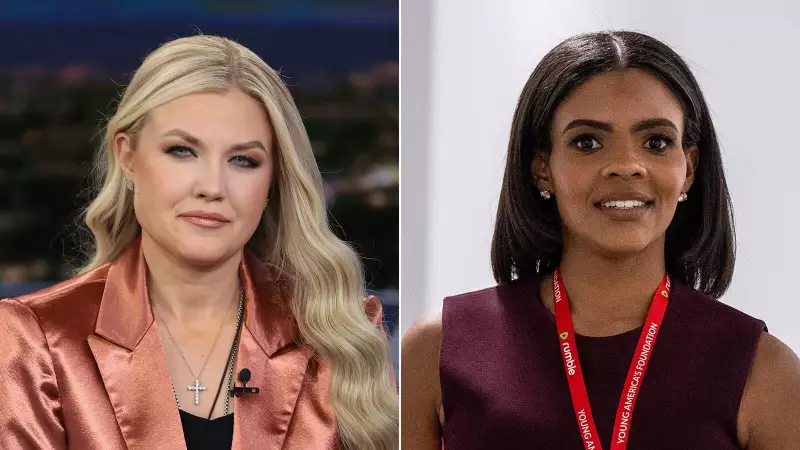
In a move highlighting a deeply personal and public dispute, Erika Kirk met with prominent podcaster Candace Owens on Monday. The meeting comes amid an escalating conflict over Owens' promotion of conspiracy theories surrounding the death of Erika's husband, conservative commentator Charlie Kirk.
A Meeting Amid Intensifying Conflict
The private discussion between the two women occurred as their very public disagreement reached a new peak. The core of the feud stems from content shared by Candace Owens, who has used her platform to amplify unfounded theories about the circumstances of Charlie Kirk's assassination. This has drawn sharp criticism from Kirk's family, friends, and supporters, who view the actions as deeply harmful during a time of grief.
The meeting on Monday represents a direct attempt to address the issue privately, though the details of their conversation have not been disclosed. Observers note the encounter is unusual given the highly charged nature of the public accusations and the emotional toll on the Kirk family.

The Heart of the Public Feud
The rift opened publicly after Owens began promoting speculative narratives about the killing. These theories, which have been widely debunked by law enforcement and credible media investigations, have nonetheless gained traction in certain online circles. Erika Kirk and other family members have repeatedly condemned the spread of such misinformation, calling it painful and disrespectful to the memory of the deceased.
The feud underscores the powerful and often damaging role of online conspiracy theories in modern discourse, especially when they intersect with personal tragedy. It also highlights the challenges public figures face in combating false narratives once they begin to circulate widely on social media and through influential commentators.
Broader Implications and Ongoing Tensions
While the private meeting may signal an attempt at de-escalation, the public fallout continues. The situation has divided audiences and sparked broader debates about accountability, grief, and the ethics of commentary in the digital age. Supporters of the Kirk family continue to call for Owens to retract her statements and apologize.
The outcome of this personal conflict remains uncertain, but it has already left a significant mark on the media landscape. It serves as a stark case study in how unverified claims can spiral into major public disputes, causing further anguish to those directly affected by a loss.