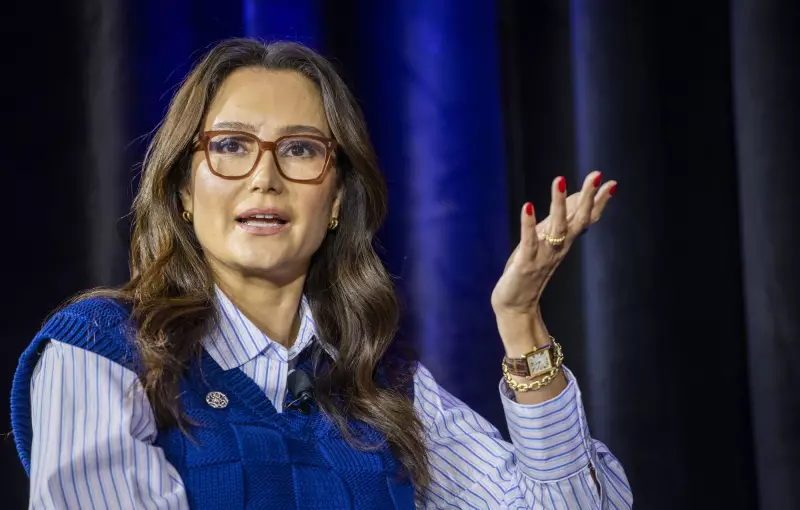
Emma Heming Willis spoke candidly about the profound challenges and unexpected lessons of caring for her husband, iconic actor Bruce Willis, during an emotional appearance at the Women’s Brain Health Summit in Toronto on Tuesday, December 2, 2025.
A Family Navigating a 'Very Unkind Disease'
The model and author, 47, described a journey filled with sadness and grief since Bruce's diagnosis with frontotemporal dementia (FTD), but emphasized the family's united front. "It’s been a hard journey, and we’re in the midst of it, but we’re pulling through as a family," she told the audience. "We’ve all been able to come together to love and support Bruce and we feel blessed to be on this journey and navigate this with him."
Heming Willis revealed that the Die Hard star, now 70, is "doing really well with a very unkind disease" and is surrounded by constant love and support. The actor, who retired in March 2022 after an aphasia diagnosis, now lives in a separate residence where he can receive 24/7 professional care.

From Isolation to Advocacy: A Caregiver's New Purpose
Heming Willis shared that in the early days following the FTD diagnosis in 2023, she felt completely adrift. "When we received the FTD diagnosis … we walked out of that appointment with no support, no resources and no hope," she recalled. "It was just, 'Check back in a couple of months.'" This isolating experience propelled her into advocacy, which she now calls "a lifeline for me."
Her advocacy work, including a recently published book titled Unexpected Journey: Finding Strength, Hope and Yourself on the Caregiving Path, has given her a powerful new mission. She was also recently honoured with the Tom Hanks Caregiver Champion award in Washington, D.C. "I think for a while I was very isolated and trying to figure so many things out on my own," she explained. "Then, when I realized I could lean into a community that would be very supportive and helpful, that led me into advocacy and raising awareness."
Recognizing the Early Signs and Choosing Joy
Reflecting on the early symptoms, Heming Willis noted subtle changes that were initially puzzling. She observed the resurgence of a childhood stutter that Bruce had long managed. "Never in my wildest dreams did I think that was a symptom of early-onset dementia," she said.
Despite the difficulty, Heming Willis is determined not to let the disease define their family's entire existence. She made a conscious choice to find light amid the darkness. "I realized that for myself, I didn’t want those to be the only [feelings of grief and anger], so I made the choice to not allow Bruce’s disease to take his whole family out," she stated. "Bruce would want myself and our two young daughters to be able to find moments of joy and to laugh. That is what we are doing. We find those moments of joy as we carry grief and sadness."
The caregiver's journey has fundamentally changed her. "I’m a completely different person today … caregiving has been one of the most beautiful privileges of my life," Heming Willis concluded, offering a message of resilience and hope to other families facing similar battles with dementia and Alzheimer's.