Sean 'Diddy' Combs' Legal Team Files Appeal Grounded in First Amendment Protections
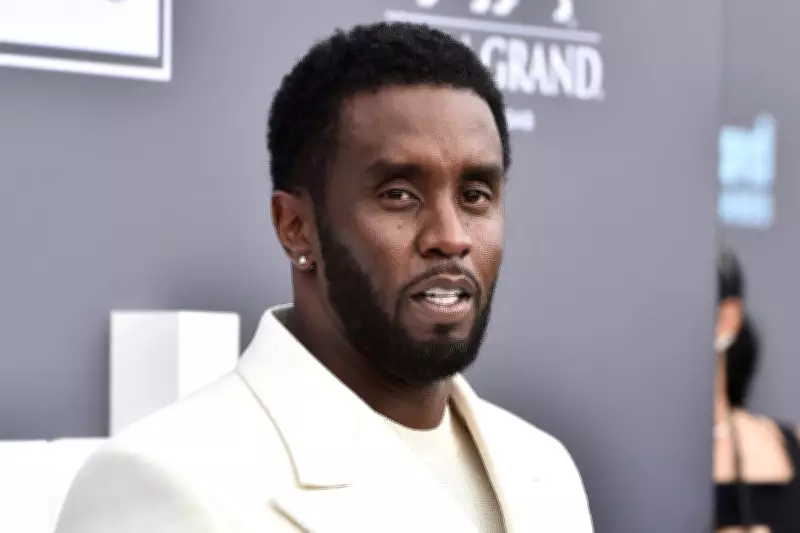
In a significant legal maneuver, attorneys representing music mogul and entrepreneur Sean "Diddy" Combs have formally appealed his recent conviction, centering their argument on First Amendment grounds. This development marks a pivotal moment in a case that has captivated both the entertainment industry and legal observers, highlighting the complex interplay between celebrity status and constitutional rights.
The Core of the Appeal: Constitutional Free Speech Claims
Combs' lawyers are asserting that his actions, which led to the conviction, are protected under the First Amendment of the United States Constitution, which guarantees freedoms concerning speech, expression, and assembly. They argue that the charges infringe upon these fundamental rights, potentially setting a precedent for how similar cases are handled in the future. The appeal documents, filed in court, detail how the prosecution's case may have overstepped constitutional boundaries, emphasizing the need for judicial review to uphold free speech principles.
This legal strategy is notable for its reliance on constitutional law rather than disputing factual evidence, suggesting a broader implication for artistic and public expression. Legal experts note that such appeals are rare in entertainment-related convictions but can have far-reaching consequences if successful, influencing not only Combs' personal fate but also the legal landscape for performers and public figures nationwide.

Background and Context of the Case
Sean Combs, a prominent figure in the music and business worlds, was convicted earlier this year on charges that have not been publicly detailed in this report. His career spans decades, with achievements including founding Bad Boy Records and ventures in fashion and spirits, making this legal battle a high-stakes affair. The appeal comes amid ongoing public interest, with fans and critics alike watching closely as the proceedings unfold.
The timing of the appeal coincides with a period of heightened scrutiny on legal protections for celebrities, following other high-profile cases involving public figures. Combs' team is likely leveraging this attention to bolster their argument that the conviction could chill free expression, particularly in the entertainment sector where public personas are often intertwined with artistic output.
Potential Implications and Next Steps
If the appeal is granted, it could lead to a retrial or even a dismissal of the conviction, depending on the court's interpretation of the First Amendment issues raised. Legal analysts predict that the case may ascend to higher courts, given its constitutional significance. In the meantime, Combs continues to maintain his innocence through his representatives, who have issued statements reaffirming his commitment to fighting the conviction.
The outcome of this appeal could reshape how First Amendment defenses are applied in criminal cases involving celebrities, potentially offering new legal avenues for others in similar situations. As the process moves forward, stakeholders from the entertainment and legal communities are poised to monitor developments, recognizing the case's potential to influence future jurisprudence on free speech and artistic freedom.