The Unspoken Endorsement: When Celebrity Silence Speaks Volumes
How challenging is it to publicly declare that it is unequivocally wrong for a man to assault a woman, knocking her to the ground, dragging her, and kicking her repeatedly? For several prominent Black male celebrities recently, articulating this basic moral stance has proven to be an insurmountable task. Each offers their own justification—pleas of ignorance, appeals to legacy, calls for racial solidarity, or simple pity—but these excuses collectively reveal a troubling core truth: a profound lack of concern about violence targeting women, insufficient to motivate even the most minimal public condemnation.
Usher's Defense: Legacy Over Humanity
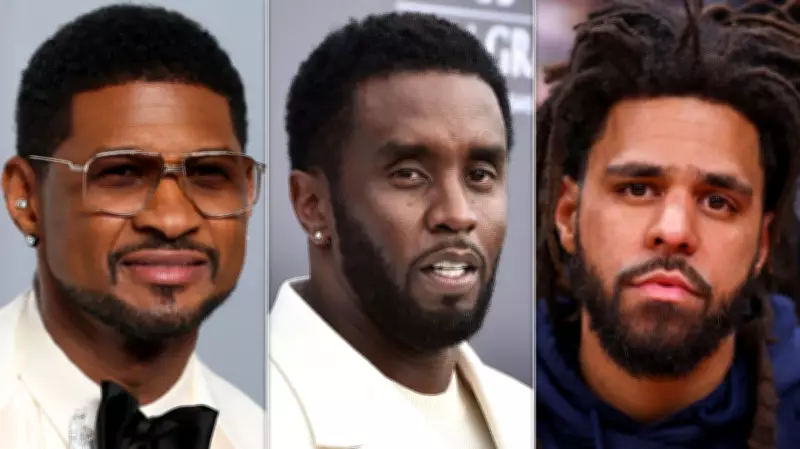
In a recent interview for Forbes' The Enterprise Zone, Usher was questioned about Sean "Diddy" Combs, who is currently serving a 50-month sentence at the Federal Correctional Institution, Fort Dix. This followed a July 2025 conviction on two counts of transportation to engage in prostitution. Usher's response was telling. "I think certain people are prosecuted and maybe not recognized for the greatness that they offer," he stated. "I don’t have anything negative to say about Sean Combs. My experience was not what the world has seen and how he’s been, you know, misrepresented."
While acknowledging the long-standing mentor relationship since Usher's childhood provides some context, his language raised immediate concerns. Describing Diddy as "prosecuted" and "misrepresented" frames him as a victim rather than a convicted individual. Usher further elaborated, invoking his own humanity to explain his stance, yet pivoted to praising Diddy's entrepreneurial achievements. "I can’t with any sense of humanity not recognize the valuable contributions that this man made for us as Black entrepreneurs," he said, highlighting business success over the alleged denial of humanity to his accusers.

This focus on legacy and business triumphs stands in stark contrast to the serious allegations from Diddy's ex-partner, Casandra "Cassie" Ventura. Her 2023 lawsuit, accusing him of physical violence and sexual abuse, sparked a significant movement among survivors. Usher's commentary suggests a tacit acceptance of "flaws" when weighed against perceived cultural contributions, a pattern echoed in his 2024 public support for Def Jam founder Russell Simmons, who faces numerous sexual misconduct allegations.
J. Cole's Calculated Silence
The reluctance to confront this issue is not isolated. Rapper J. Cole, during an interview on Cam'ron's Talk With Flee podcast, discussed a longstanding rumor of a physical altercation with Diddy at a 2013 MTV VMAs afterparty. While confirming the incident occurred, Cole explained he chose not to release a podcast detailing the event recorded over a year prior. His reasoning? "It felt like damn near kicking a man when he’s down," Cole stated. "It would have gave the news more ammo and the world more ammo to just destroy this dude."
This framing is particularly frustrating, as it portrays Diddy—whose actions were captured on video and validated in court—as the victim needing protection from public scrutiny. Cole's decision to withhold his story under the guise of avoiding giving "ammo" ignores the reality that Diddy's own conduct provided all the necessary evidence for public judgment. It reflects a prioritization of a fellow celebrity's image over accountability for violent behavior.
A Glimmer of Nuance and the Path Forward
Amid these defenses, City Girls rapper Yung Miami offered a slightly more nuanced explanation during an interview with Charlamagne Tha God. Addressing her decision to submit a character letter supporting Diddy during his sentencing, she stated, "I think I wrote a letter for a changed man. I think that the man that I met and that I experienced was changed." While her perspective on his reformation may be debated, notably, she did not claim he was persecuted by the justice system or media, nor did she deny awareness of the widely seen assault video. She also acknowledged her fans' right to question her allegiance.

As Diddy's prison release approaches, more public figures will likely attempt similar rehabilitative narratives, offering weak caveats without genuine interrogation of the harm inflicted. The central, baffling question remains: why do accrued celebrity, fame, and symbolic victories for some Black men consistently seem to outweigh the physical and sexual abuse endured by Black women? The complicity of silence from peers provides implicit support, making a potential comeback easier. The public owes it to survivors not to let that happen without demanding more than quiet compliance from those with influential platforms.