In a significant development within the entertainment and publishing industries, pop star Sabrina Carpenter and the publisher of the beloved children's character Franklin the Turtle have issued strong public condemnations. The target of their criticism is the administration of former U.S. President Donald Trump, which they allege used their creative work without authorization.
Artists Speak Out Against Unauthorized Use
The controversy came to light on December 2, 2025, when both parties made separate statements. The core of their grievance is that the Trump administration utilized their intellectual property, which includes Carpenter's music and the Franklin the Turtle character, in a manner that was neither approved nor licensed. This use is reported to have occurred during official administration events or in related promotional materials.
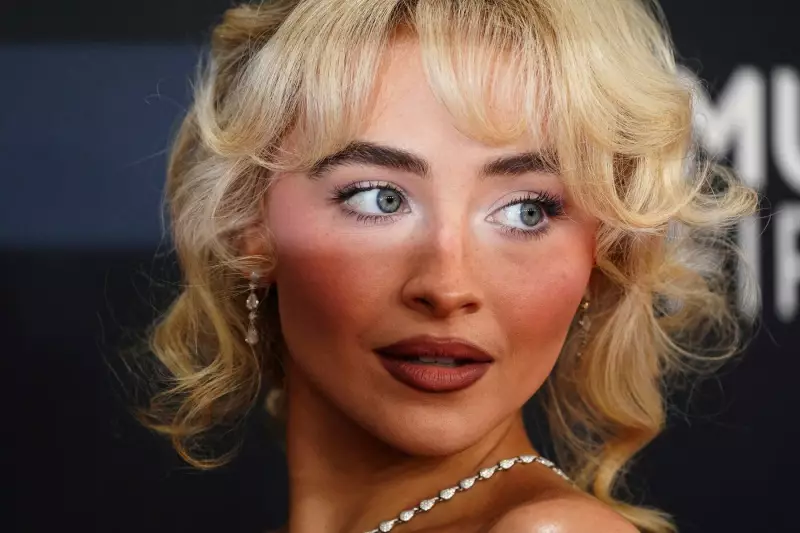
For Sabrina Carpenter, a Grammy-nominated artist who attended the 67th annual Grammy Awards in Los Angeles on February 2, 2025, the issue strikes at the heart of artistic control. The use of an artist's work by a political entity, especially without consent, can imply an endorsement that was never given. This places the creator in a difficult position, potentially alienating segments of their fanbase.

The Stakes for a Children's Icon
The condemnation from the publisher of Franklin the Turtle carries its own unique weight. Franklin is a cherished character in children's literature, known for themes of friendship and learning. Associating such a character with a specific, divisive political figure or administration could be seen as contradicting the universal, apolitical values the stories aim to promote.
This situation highlights a recurring tension in modern media: the unauthorized appropriation of copyrighted creative works for political messaging. Artists and rights holders are increasingly vigilant in protecting their brands from being leveraged for causes or campaigns they do not support.
Broader Implications for Copyright and Politics
The public condemnations serve as a formal disavowal. By speaking out, Carpenter and the Franklin publisher are making it clear to the public that they did not sanction this use of their work. This action is not merely about principle; it can have legal ramifications. Unauthorized use of copyrighted material can lead to cease-and-desist orders, lawsuits, and financial damages.
This incident adds to a historical pattern where political campaigns and figures have faced backlash for using songs or images without the creator's permission. It underscores the importance of securing proper licenses and respecting the moral rights of artists, which include the right to object to derogatory treatment or misuse of their work.
As of this reporting, there has been no immediate public response from representatives of the former Trump administration regarding the specific allegations raised by Sabrina Carpenter and the Franklin the Turtle publisher. The story continues to develop as a notable case of art, copyright, and political discourse intersecting.