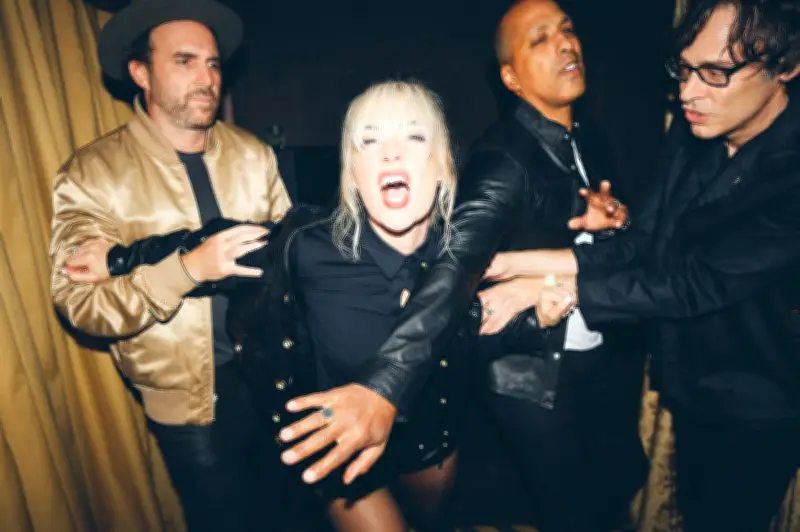
Metric frontwoman Emily Haines has some ideas about why Generation Z is so drawn to the indie sleaze aesthetic, a style defined by messy hair, film cameras, and a gritty, DIY attitude that dominated the late 2000s and early 2010s. In an interview with The Canadian Press, Haines suggested that the appeal stems from a longing for a pre-social-media era and a reaction against today's polished digital culture.
What Is Indie Sleaze?
Indie sleaze emerged in the mid-2000s alongside bands like The Strokes, Arctic Monkeys, and Metric themselves. It was characterized by thrift-store fashion, low-resolution digital photos, and an ethos of raw, unpolished creativity. The trend faded in the 2010s as Instagram and influencer culture took over, but it has recently resurged among young people who never experienced it firsthand.
According to Haines, this revival is partly a response to the hyper-curated online world. “There's something appealing about the messiness and authenticity of that time,” she said. “It feels more real than the filtered, branded content we see today.”

Nostalgia for a Pre-Social Media Era
Haines pointed out that many Gen Zers grew up with smartphones and social media, making the indie sleaze era seem exotic and rebellious. “They're romanticizing a time when you could go to a show and not have your phone out the whole time,” she explained. “It's about capturing a moment without worrying about how it looks for an audience.”
This nostalgia is reinforced by platforms like TikTok and Pinterest, where users share mood boards and playlists evoking the era. The hashtag #indiesleaze has garnered millions of views on TikTok, with users recreating the look and sound of the period.
Metric's Role in the Revival
Metric, formed in 1998, was a key part of the indie sleaze movement. Their 2009 album Fantasies included hits like “Help I'm Alive” and “Gold Guns Girls,” which have found new life on streaming services. Haines noted that younger fans often tell her they discovered Metric through social media or film soundtracks.
“It's surreal to see 16-year-olds at our shows singing along to songs we wrote 15 years ago,” she said. “They bring a new energy to it.”
Criticism and Commercialization
Not everyone is thrilled about the revival. Some critics argue that indie sleaze has been sanitized and commodified, stripped of its original countercultural edge. Brands have adopted the aesthetic to sell products, and influencers use it as just another trend to cycle through.
Haines acknowledged this tension but remained optimistic. “Trends always get co-opted, but the core spirit can still resonate,” she said. “If it inspires someone to pick up a guitar or start a zine, that's a good thing.”
The Future of Indie Sleaze
Whether indie sleaze will have staying power or fade again remains to be seen. For now, it offers Gen Z a way to push back against the pressures of perfectionism online. As Haines put it, “It's a reminder that art and life don't have to be clean to be meaningful.”
Metric continues to tour and release music, most recently their 2023 album Formentera II. The band's enduring popularity suggests that the indie sleaze ethos still has plenty of life left.