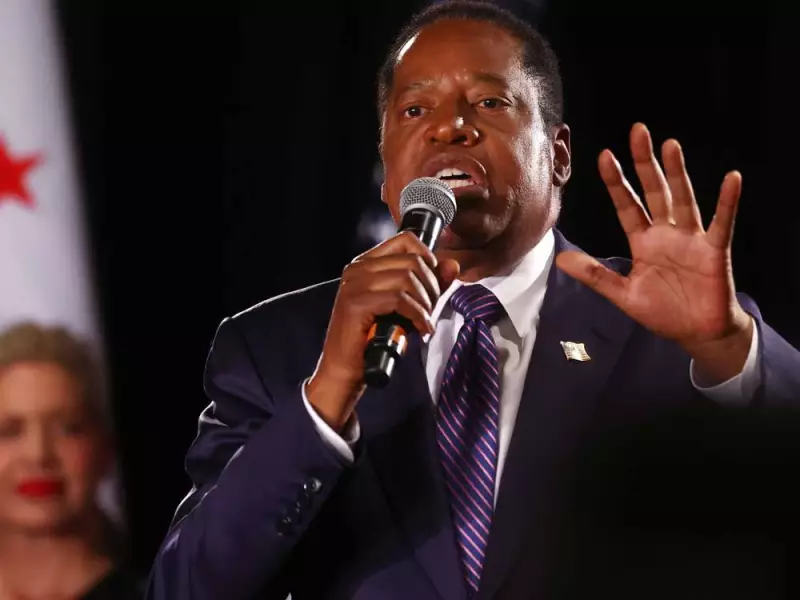
In a heartfelt seasonal reflection, conservative commentator and former gubernatorial recall candidate Larry Elder has shared the profound story behind his memoir, a book born from a single, transformative conversation that ended a decade of silence with his father.
The Conversation That Bridged a Decade
Elder's book, originally published as Dear Father, Dear Son — Two Lives … Eight Hours and later released in paperback as A Lot Like Me, documents an intense eight-hour dialogue with his father. This marathon discussion took place after the two men had not spoken for an entire ten years. Elder describes the process of writing the book as cathartic, an experience that has resonated deeply with many readers who have found parallels in their own family dynamics.
He recently promoted the work as a meaningful stocking stuffer during the holiday season, a time often focused on family connections and reconciliation.

Raw and Moving Reader Responses
The memoir has garnered an emotional response from its audience. Collected reader reviews reveal the book's powerful impact. One reader called it "a memoir that reads like a novel," describing it as raw and well-told, prompting both laughter and tears. Another stated they "loved, loved, loved this book," having read it several times and gained new insights with each reading.
Many reviews highlight the book's themes of forgiveness and understanding. "I can relate to this book on so many levels," one person wrote, noting that the ending moved them to tears "in a really good way." Another reader, a former child welfare worker, expressed amazement at how Elder's father succeeded in life despite difficult circumstances.
A Final Reconciliation and an Epic Life
The story holds a poignant postscript. Larry Elder's father passed away at 95 years old, just before the book was published. During the writing process, Elder relentlessly questioned his father to capture his story accurately. He recalls his father's humble response: "Why are you writing a book about my little life?"
Elder's reply to him forms the emotional core of the project: "No, Dad. Your life was epic. You just don't know it." This exchange underscores the memoir's ultimate message—that within seemingly ordinary family struggles and silences lie extraordinary stories of resilience, love, and the hard work of reconciliation.
The book serves as a testament to the power of conversation and listening. As one reviewer summarized, the Elder men demonstrated how adult conflicts should be handled: the son refused to play the victim, and the father did not become defensive. Their willingness to engage paved the way for the relationship "they should have had all along."