Children's Literature Explores Wartime Courage Through Multiple Lenses
Three distinct children's books have recently emerged, each offering young readers different approaches to understanding bravery during the Second World War. These publications include a historical fiction novel, a biographical account, and a picture book, all designed to engage children aged 7 to 12 with stories of extraordinary courage in difficult times.
The Lions' Run: Historical Fiction About Unexpected Heroism
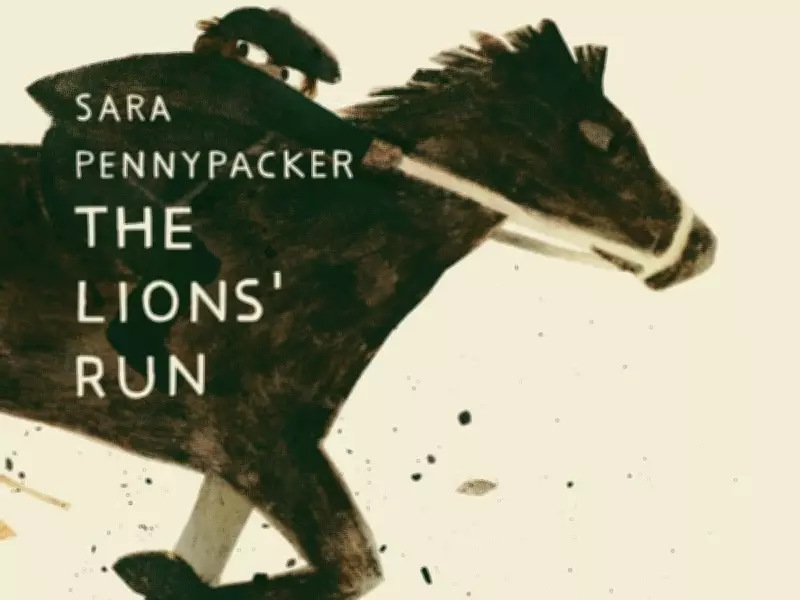
The Lions' Run by Sara Pennypacker, featuring cover art by Canadian-born illustrator Jon Klassen, presents a 267-page historical fiction story set in Nazi-occupied France in 1944. The narrative follows thirteen-year-old Lucas Dubois, an orphan living in a French village who earns the nickname "Petit Éclair" (Little Lightning) from other children due to his perceived timid nature.
The story quickly establishes Lucas's character when he intervenes to save newborn kittens from bullies attempting to drown them in a village canal. This initial act of courage foreshadows more significant bravery to come, as Lucas eventually outwits Nazi forces to rescue both a baby boy and a racehorse destined for transport to Germany.

Pennypacker includes a valuable 4½-page author's note explaining the challenges of writing historical fiction and distinguishing between factual elements and fictional components within her narrative. This educational component helps young readers understand how historical fiction blends research with storytelling.
Words Matter: Biography of German Resistance Siblings
Words Matter: The Story of Hans and Sophie Scholl, and the White Rose Resistance by Anita Fitch Pazner, illustrated by Montreal artist Sophie Casson, offers a biographical account of German siblings who initially joined Hitler Youth organizations despite their father's objections. The 60-plus page book details how Hans and Sophie Scholl gradually recognized the injustices of Nazi policies during the 1930s and eventually joined the resistance movement.
The narrative follows their transformation from participants in youth organizations to active members of the White Rose Resistance, alongside their friend Christoph Probst. The book concludes with the tragic outcome of their activism: execution for treason in February 1943. Additional educational materials include eight pages of historical notes, source information, and photographs, making this a comprehensive though emotionally challenging read for young audiences.
The World Entire: Picture Book About Diplomatic Rescue
The World Entire: A True Story of an Extraordinary World War II Rescue by Elizabeth Brown, illustrated by Melissa Castrillón, tells the remarkable story of Portuguese diplomat Aristides de Sousa Mendes. Stationed in Bordeaux, France, Mendes was responsible for reviewing visa applications from refugees seeking entry to Portugal as Nazi forces advanced across Europe.
Despite government orders to restrict refugee visas, Mendes continued signing document after document, eventually shortening his signature to conserve ink. His defiance of official policy resulted in severe consequences: disciplinary action, job loss, homelessness, and reliance on soup kitchens to feed his family. While the publisher recommends this stunningly illustrated picture book for ages five to eight, the complex historical context and mature themes suggest it may be more appropriate for slightly older readers.
Educational Value and Historical Context
These three publications demonstrate how children's literature can approach difficult historical topics through age-appropriate narratives. Each book employs different literary formats—historical fiction, biography, and picture book—to make World War II history accessible to young readers while emphasizing themes of courage, resistance, and moral integrity.
The books collectively highlight diverse perspectives on wartime bravery: from individual acts of defiance by ordinary people to organized resistance movements and diplomatic interventions. This variety allows educators and parents to select materials that best suit a child's reading level and emotional maturity while introducing important historical lessons about standing against injustice.

All three works include supplementary educational materials, such as author's notes, historical context, and source information, enhancing their value as teaching tools. These additions help bridge the gap between engaging storytelling and historical accuracy, encouraging critical thinking about how we remember and interpret past events.