A new walking tour in Winnipeg is shedding light on the historic meeting spaces that were vital to the LGBTQ2S+ community, offering participants a glimpse into an often-overlooked aspect of the city's past. The tour, organized by local historians and community advocates, highlights locations that served as safe havens and gathering spots for queer individuals during times when discrimination and persecution were rampant.
Uncovering Hidden History
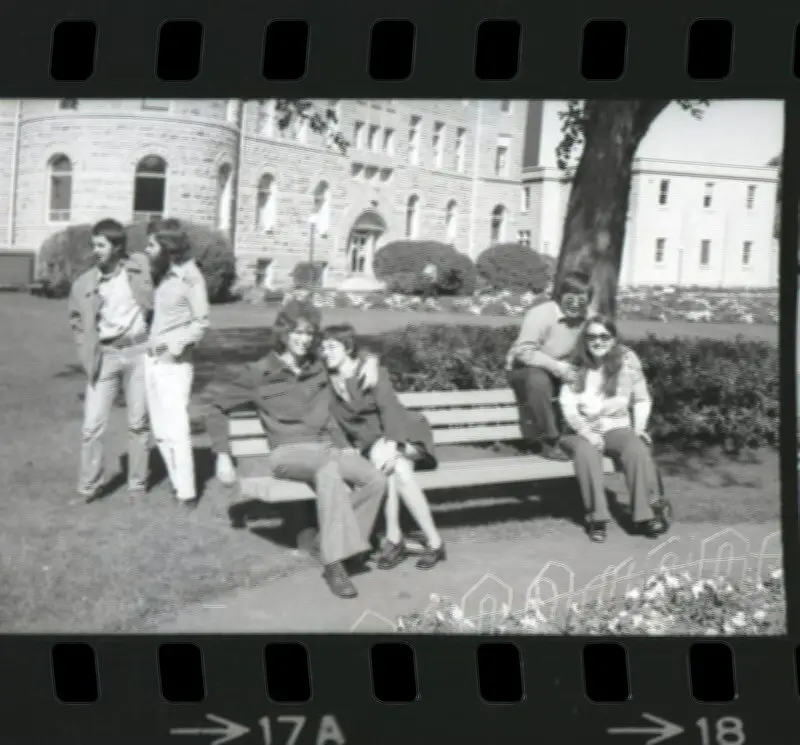
The tour, titled 'An Invisible History,' takes participants through various neighborhoods in Winnipeg, pointing out buildings, parks, and other sites that played key roles in the LGBTQ2S+ community's development. Among the stops is a park near the Manitoba Legislative Building, where a black-and-white photograph from the 1970s shows couples gathered for a Gays for Equality pamphlet. This image, now housed in the University of Manitoba Archives, symbolizes the early activism and community-building efforts of the era.
Community Significance
Organizers emphasize that these spaces were not just social venues but also centers for political organizing, support, and cultural expression. The tour aims to educate the public about the struggles and triumphs of the LGBTQ2S+ community, fostering a deeper appreciation for the progress made and the work still needed. Participants have described the experience as both enlightening and emotional, gaining a new perspective on Winnipeg's diverse history.

Broader Context
The walking tour coincides with Pride Month and other local events celebrating LGBTQ2S+ heritage. It also ties into broader national conversations about preserving queer history, as similar initiatives have emerged in cities like Toronto, Vancouver, and Montreal. By documenting and sharing these stories, advocates hope to ensure that future generations understand the resilience and contributions of the LGBTQ2S+ community.
For those interested in joining, the tour runs on weekends throughout the summer and is free to attend, though donations are accepted to support ongoing historical research. More information can be found through local LGBTQ2S+ organizations and the tour's official website.