The Venice Biennale, one of the world's most prestigious art exhibitions, has opened its doors without a jury for the first time in its history, amid ongoing strife over the participation of Russia and Israel. The decision to forgo a jury was made by organizers in an effort to streamline the selection process and reduce political tensions, but it has drawn criticism from artists and activists who argue that it undermines the event's credibility.
Background of the Controversy
The controversy began months before the opening, when Russia's invasion of Ukraine and Israel's military actions in Gaza sparked global outrage. Several artists and cultural figures called for the exclusion of both countries from the Biennale, citing human rights violations. However, the Biennale's organizers chose to allow their participation, stating that art should transcend politics.
Protests and Security Measures
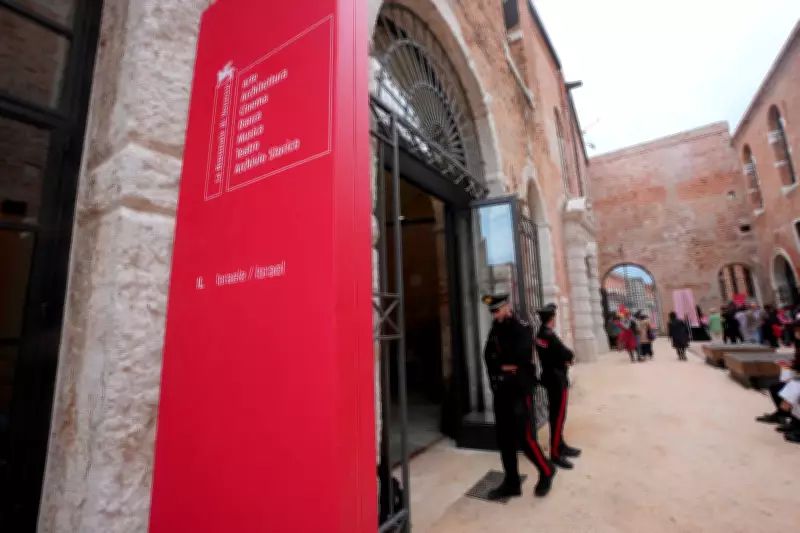
On the opening day, Italian Carabinieri paramilitary police were stationed at the entrance of Israel's pavilion, named 'Rose of Nothingness,' to ensure security. Protesters gathered nearby, holding signs condemning Israel's actions and calling for a boycott. Similar protests occurred at the Russian pavilion, though no major incidents were reported.

Reactions from the Art World
Many artists and curators have expressed mixed feelings about the no-jury format. Some argue that it allows for greater diversity and reduces bureaucratic hurdles, while others believe it diminishes the event's prestige and opens the door for political manipulation. The Biennale's president defended the decision, saying that the focus should remain on the art itself.
International Implications
The Biennale's decision to include Russia and Israel has also drawn attention from international bodies. The United Nations Educational, Scientific and Cultural Organization (UNESCO) has declined to comment, but several member states have privately expressed concern. The controversy is expected to dominate discussions at the event, which runs through November.
Despite the tensions, the Biennale has attracted a record number of visitors, with many eager to see the diverse range of works on display. Organizers hope that the event will ultimately promote dialogue and understanding, even in the face of deep political divides.