Saskatoon Iranian Artist Honors Protest Victims Through Interactive Art Performance
Longtime visual artist Elham Zafaremili is preparing a powerful performance piece for the upcoming Riversdale Art Walk in Saskatoon, dedicated to honoring the thousands of individuals killed by Iran's oppressive regime. The 45-year-old Iranian artist, who immigrated to Canada in 2019 with her husband and daughter, finds herself emotionally torn between her life in Saskatchewan and the ongoing crisis affecting her family and friends back home.
Art as an Emotional Outlet Amidst Crisis
"At this point, I'm so worried about them, I can't think about anything else in my life," Zafaremili confessed, explaining that her mind has been consumed by events unfolding in Iran following the country's violent crackdown on protesters in January. With her mother, four siblings, and numerous friends still in Iran, she maintains only limited phone contact due to legitimate fears of government surveillance.
The artist described the emotional toll of maintaining normalcy in her daily Canadian life while internally experiencing profound distress. "Morning time, I have to wake up and go to work and smile. I have to pretend everything is normal, but, no, inside, it's a breakdown," she revealed.

The Last Kisses in Iran: An Interactive Memorial
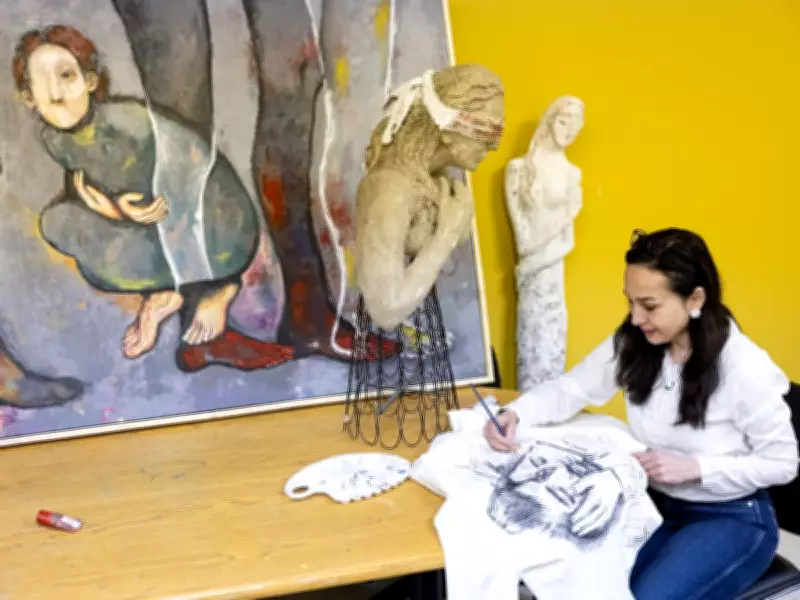
Zafaremili's upcoming performance piece, titled The Last Kisses in Iran, features her artistic rendition of a real social media image capturing the final embrace between Iranian couple Matin Ghorbani and Mahsa Khanjani. Ghorbani, a young barista who had recently married Khanjani, was tragically shot and killed on January 8 during protests in Karaj, according to reports from IranWire.
During the exhibition, participants will be invited to contribute directly to the artwork by writing and drawing messages of support on a large canvas surrounding Zafaremili's central sketch of the couple. The artist encourages attendees to add the names of others killed during protests in Iran, though she emphasizes that all messages of solidarity are welcome and become integral components of the performance.
Community Collaboration and Artistic Expression
"I am an artist. This is my language. I can show my feelings with the arts," Zafaremili explained, describing how artistic creation has become a vital outlet for processing her emotions about the situation in her homeland. She is extending invitations to both the general public and members of the Interdisciplinary Society of Global Artists to participate in this collaborative creation.
The artist believes that collective artistic expression can foster meaningful connections and provide solace during difficult times. "I believe we cannot remove the ugliness of life entirely, but we can reduce it through empathy, being together, supporting one another, sharing a smile, helping each other and many other things," she reflected.
Context of Ongoing Conflict
Zafaremili's artistic response comes against the backdrop of continued turmoil in Iran, where local health officials report that state forces have murdered more than 30,000 Iranians. The situation intensified following the February 28 killing of Supreme Leader Ayatollah Ali Khamenei in a U.S.-backed attack, which has led to weeks of ongoing conflict.
The artist's work represents not only personal expression but also a broader statement about the power of art to memorialize victims, document historical moments, and create spaces for communal grieving and solidarity across geographical boundaries.