Victoria's Inner Harbour Enriched with Two New Art Installations as Part of Placemaking Project
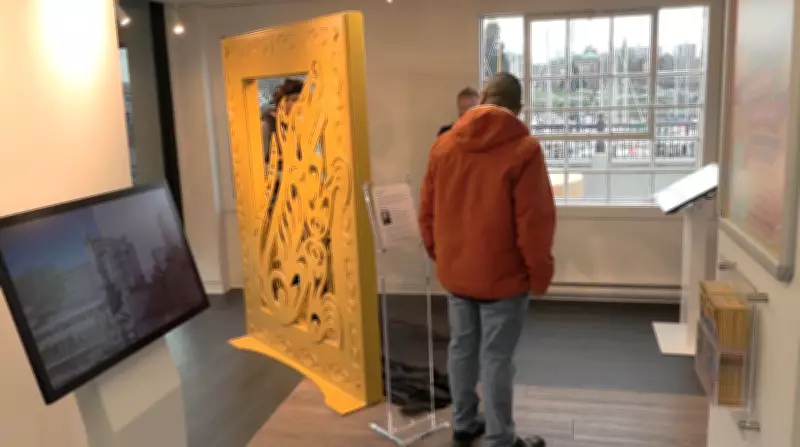
The Greater Victoria Harbour Authority has officially unveiled two new art installations in Victoria's Inner Harbour, marking a significant enhancement to the city's waterfront landscape. These additions are a key component of the ongoing Lək̓ʷəŋən Placemaking Project, an initiative designed to celebrate and integrate the cultural heritage of the local Indigenous communities into public spaces.
Celebrating Local Culture Through Public Art
The installations, which were revealed to the public, aim to transform the Inner Harbour into a more engaging and culturally reflective environment. By incorporating art that resonates with the history and traditions of the Lək̓ʷəŋən peoples, the project seeks to foster a deeper connection between residents, visitors, and the land. This effort is part of a broader movement across Canada to acknowledge and honor Indigenous contributions through urban design and public art.
Enhancing the Waterfront Experience
Located in one of Victoria's most frequented areas, the new artworks are expected to draw both local and tourist attention, enriching the overall experience of the Inner Harbour. The Greater Victoria Harbour Authority has emphasized that these installations are not merely decorative but serve as educational tools that tell stories of the region's rich cultural tapestry. This initiative aligns with similar projects in other Canadian cities that use art to revitalize public spaces and promote community engagement.

Future Implications for Urban Development
The unveiling of these art pieces highlights a growing trend in Canadian urban planning, where cultural elements are increasingly integrated into development projects. As cities like Victoria continue to evolve, such placemaking efforts play a crucial role in creating inclusive and vibrant environments. The Lək̓ʷəŋən Placemaking Project sets a precedent for how public art can be used to bridge historical narratives with contemporary urban life, potentially inspiring similar initiatives nationwide.
In summary, the introduction of these two art installations in Victoria's Inner Harbour represents a meaningful step towards cultural recognition and community enhancement, underscoring the importance of art in shaping public spaces for future generations.