The Musée d'Orsay in Paris has opened a new gallery dedicated to artworks stolen by the Nazis during World War II that have never been claimed by their rightful owners. The gallery aims to raise awareness about the ongoing restitution efforts and the tragic history of these pieces.
A Space for Unclaimed Masterpieces
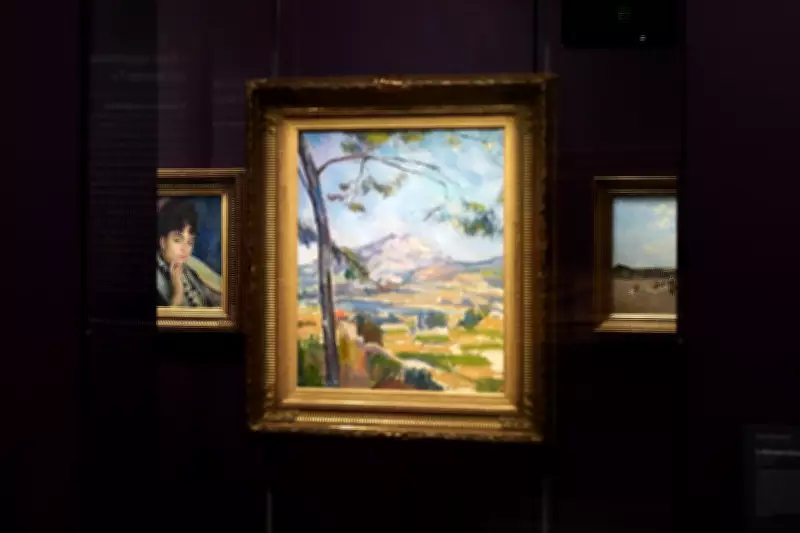
The new space features a selection of paintings, drawings, and sculptures that were looted from Jewish families and others persecuted by the Nazi regime. Among the works on display is a landscape believed to have been painted by Paul Cézanne, highlighting the artistic and historical significance of the collection.
Why These Works Remain Unclaimed
Despite decades of research and restitution initiatives, many stolen artworks still lack identified owners. Some families were wiped out in the Holocaust, while others were unaware of the artworks' existence or unable to prove ownership. The museum hopes the gallery will encourage descendants to come forward.

Broader Context of Nazi Looted Art
The issue of Nazi-looted art remains a global concern, with museums and governments working to trace provenance and return items to rightful heirs. The Musée d'Orsay's initiative is part of a larger effort to address historical injustices and educate the public about the scale of cultural plunder during WWII.
Museum's Commitment to Restitution
The gallery serves as a permanent reminder of the museum's dedication to transparency and justice. By displaying these unclaimed works, the Musée d'Orsay invites visitors to reflect on the human stories behind the art and the ongoing quest for closure.