Researcher Announces Discovery of Michelangelo's Hidden Works in 'Secret Room'
A researcher has made a groundbreaking claim that previously unknown works by the Renaissance master Michelangelo are concealed within a 'secret room,' sparking excitement and intrigue in the art world. This discovery, if verified, could offer unprecedented insights into Michelangelo's artistic techniques and personal creative journey during one of history's most prolific periods of artistic achievement.
Unveiling the Hidden Treasures
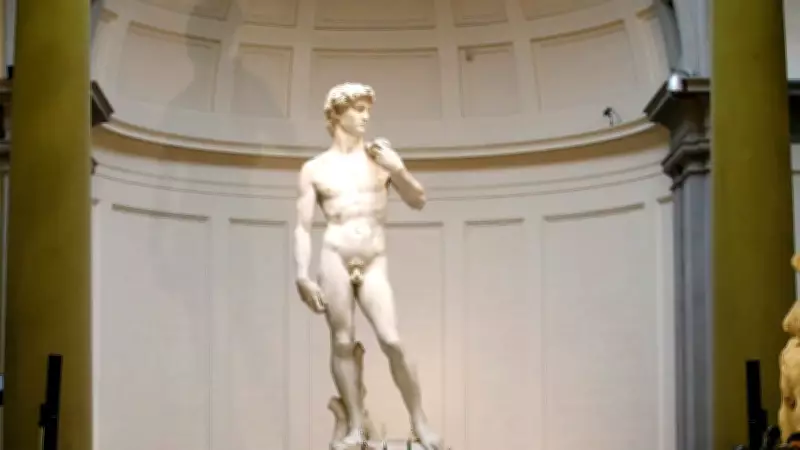
The researcher, whose identity has not been fully disclosed in initial reports, suggests that the secret room contains sketches, drawings, or possibly even unfinished sculptures attributed to Michelangelo. These works are believed to have been hidden away for centuries, potentially due to political, religious, or personal reasons during the artist's lifetime in the 16th century. The location of the room is speculated to be in Italy, possibly in Florence or Rome, where Michelangelo created many of his most famous pieces, such as the David statue and the Sistine Chapel ceiling.
This discovery could revolutionize our understanding of Michelangelo's artistic process, providing a rare glimpse into his preliminary ideas and experimental techniques. Art historians have long studied Michelangelo's known works, but hidden pieces might reveal new aspects of his style, influences, or even collaborations with other artists of the era.

Implications for Art History and Cultural Heritage
If authenticated, these hidden works could have significant implications for art history, potentially leading to:
- New exhibitions and scholarly research focused on Michelangelo's lesser-known creations.
- Increased tourism and interest in Italian cultural sites, boosting local economies.
- Debates among experts about the attribution and preservation of the discovered art.
The timing of this announcement, in early 2026, aligns with ongoing efforts to digitize and preserve historical artworks, making it a timely contribution to global cultural heritage initiatives. However, researchers caution that thorough verification processes are essential to confirm the authenticity of the works, which may involve advanced technologies like carbon dating or digital imaging analysis.
Challenges and Next Steps
Uncovering and studying these hidden works will likely involve challenges such as:
- Securing access to the secret room, which may require permissions from property owners or government authorities.
- Ensuring the preservation of delicate artworks that have been untouched for centuries.
- Collaborating with international art experts to validate the findings and prevent potential forgeries.
As the art world awaits further details, this discovery highlights the enduring mystery and fascination surrounding Michelangelo's legacy. It serves as a reminder that even centuries after his death, new revelations can emerge, enriching our appreciation of Renaissance art and its impact on modern culture.