Massive Protest in Halifax Over Arts and Culture Funding Reductions
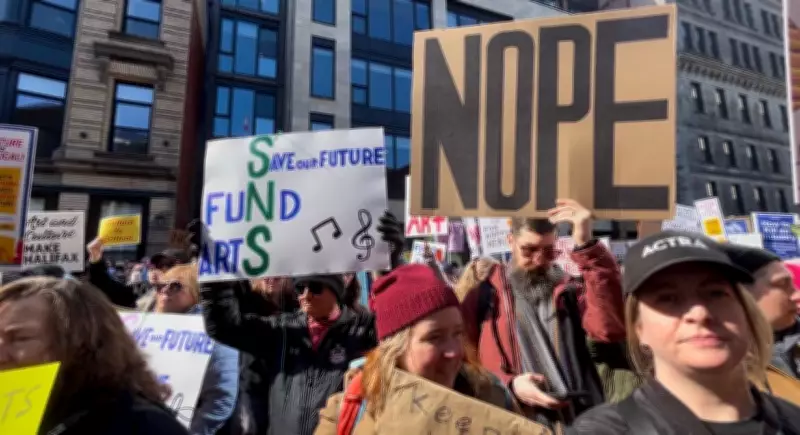
Thousands of demonstrators converged in downtown Halifax to voice their opposition against sweeping cuts to arts and culture programs, which are projected to result in the loss of thousands of jobs across the region. The protest, organized by local artists and community advocates, highlighted the critical role these programs play in fostering creativity, economic growth, and social cohesion.
Economic and Social Impact of the Cuts
The proposed reductions threaten to dismantle vital funding streams that support theaters, museums, music venues, and educational initiatives. Many protesters emphasized that these cuts could devastate the local economy, as the arts sector contributes significantly to tourism and employment. Without adequate support, numerous cultural institutions may be forced to close their doors, leading to a ripple effect on related industries such as hospitality and retail.
Participants in the rally carried signs and chanted slogans calling for the preservation of public funding for the arts. They argued that investing in culture is not merely a luxury but a necessity for community well-being and identity. The protest also drew attention to similar demonstrations occurring in other cities, including Toronto, where arrests were made during a separate event opposing changes to the Ontario Student Assistance Program (OSAP).

Broader Context of Government Austerity Measures
These cuts are part of a broader trend of government austerity measures affecting various sectors. For instance, recent news includes the sale of Alberta natural gas assets by Tourmaline for $765 million and a failed court bid to overturn the suspension of an Alberta soccer president. Such developments underscore the ongoing financial and policy challenges facing communities nationwide.
In Halifax, protesters urged policymakers to reconsider the cuts, warning that the long-term consequences could include a decline in cultural diversity and innovation. They called for a collaborative approach to finding sustainable funding solutions that protect jobs and promote artistic expression.
The demonstration remained peaceful, with organizers planning follow-up actions to continue advocating for the arts. As the debate over public spending intensifies, the outcome of these protests could influence future decisions on cultural funding at both provincial and federal levels.