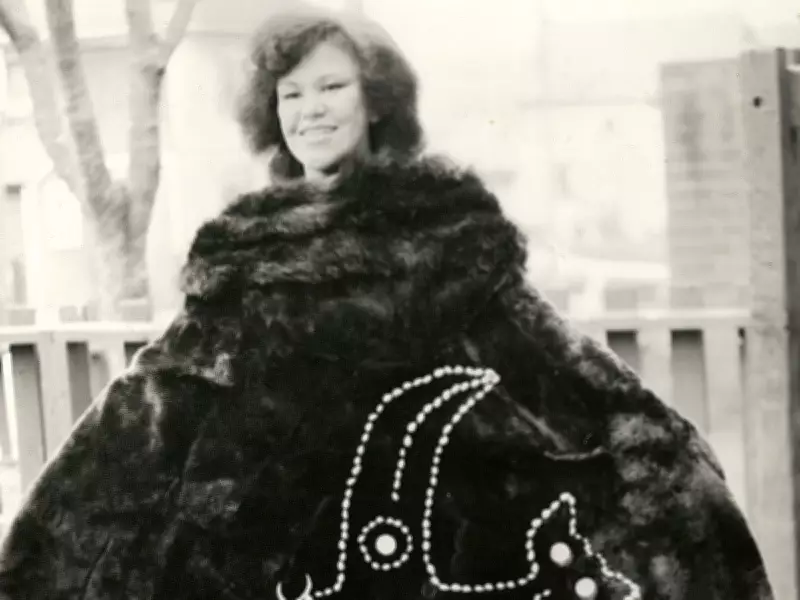
The Museum of Anthropology (MOA) at the University of British Columbia is presenting the world premiere of I Use My Haida Eyes: The History Robes of Jut-ke-Nay-Hazel Wilson, a landmark exhibition that brings together 50 of the artist's 51 ceremonial textiles. These large-scale works, measuring 1.5 by 2 metres, document Haida history and personal experiences.
From Tradition to Innovation
Jut-ke-Nay-Hazel Wilson, a member of the Duugwaa St'Langng 7laanaas clan on the Raven side, began her training at age 14 in the traditional art of appliquéd button blankets and ceremonial robes. For three decades, she adhered to conventional designs that featured clan crests. However, in 2005, inspired by the life and death of the sacred Golden Spruce Tree (K'iid K'iyaas), she embarked on a bold new direction, creating a series of narrative robes that blend traditional materials with modern elements like acrylic paints and various fabrics.
A Complete Series Unveiled
Jordan Wilson, MOA's curator of Pacific Northwest and Contemporary Indigenous Art, noted that this is the first time the full series has been displayed together. "I became aware of these robes a number of years ago, and one of the things that struck me was that they had never before been shown as a complete series," he said. "Now we have 50 of the 51 together. I've had the privilege of looking over the majority of them at the Marion Scott Gallery, who are stewarding the robes, and I'm really looking forward to seeing what the effect of having them all displayed will be."

Narratives of History and Identity
The History Robes depict scenes from pre-colonial life, logging, harvesting, and stories passed down by elders. They also reflect on the impacts of European contact. Unlike traditional button blankets that identify clan affiliation, these robes are narrative and representational, offering a personal and collective history.
Wilson's departure from tradition was deliberate. "What we typically call button blankets or robes are ceremonial garments meant to be worn that typically depict an individual's family or clan's crest imagery," Jordan Wilson explained. "The History Robes are a departure in multiple ways, beginning with the formal materials traditionally used in their creation such as abalone, shells and so on. For these robes, Hazel used acrylic paints, different kinds of fabrics and other things to create these narrative, historical scenes."
The exhibition runs at the MOA, inviting visitors to experience the richness of Haida culture through the eyes of a master artist.