East Vancouver's Iconic Cross to Remain in Place After Relocation Study
After extensive consideration of alternative locations, Vancouver's celebrated East Van Cross will remain at its current site for the foreseeable future. City staff conducted a thorough evaluation of twelve potential relocation sites but determined that financial constraints make moving the iconic artwork impractical at this time.
Financial Barriers Hinder Relocation Plans
The relocation effort faced significant financial hurdles, with estimated costs ranging between $300,000 and $500,000. According to city documents, Vancouver's public art maintenance and restoration funds are currently fully committed to other projects, leaving no available resources for moving the seventeen-meter tall cross.
City Councillor Mike Klassen, who introduced the original motion in late 2024 to explore relocation options, expressed skepticism about securing municipal funding. "We have so many priorities right now," Klassen stated, acknowledging the city's competing capital needs.

Artist's Perspective on the Situation
Ken Lum, the internationally renowned Vancouver-raised artist who created the Monument to East Vancouver, expressed disappointment but not surprise at the financial obstacles. "I was disappointed but not surprised that the financial cost could be an obstacle to moving the artwork," Lum said.
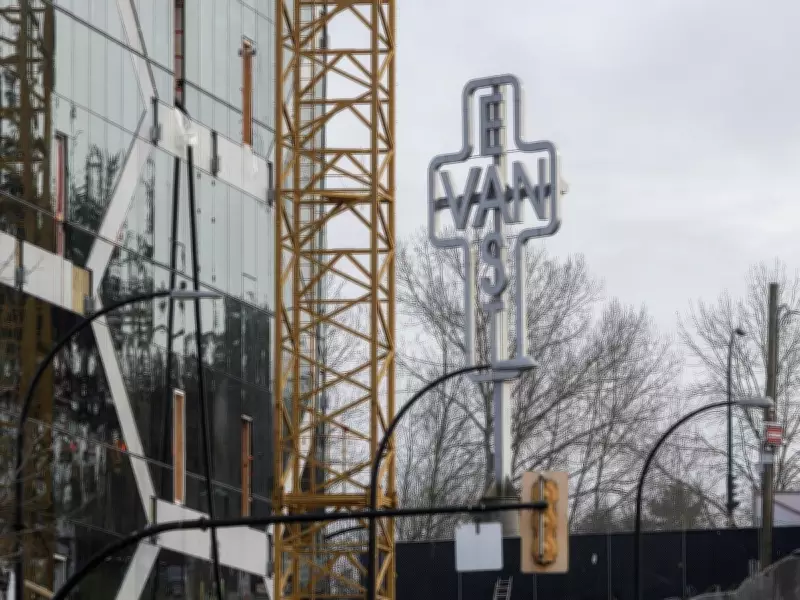
The artist had previously voiced support for relocating the cross after construction of a twelve-story building partially obstructed public views from its current location near Clark Drive and East 6th Avenue. Lum described the situation in 2023 by saying, "it would look stupid there with a building in front of it."
Alternative Funding Possibilities
Despite the current impasse, both Klassen and Lum remain hopeful about future relocation possibilities through alternative funding mechanisms. The councillor suggested exploring philanthropic gifts, sponsorships, or revenue-generation opportunities that could support both relocation and ongoing maintenance.
Klassen's original motion proposed that a new site for the cross could create revenue through "merchandise sales and food/beverage services," which could help fund the monument's upkeep. Lum expressed openness to such approaches, with certain conditions.
"I'm not totally against that, as long as it's not 'The Dell Computers Monument to East Vancouver' or something like that," Lum clarified. "But if it's a popular spot, why not have a kiosk there, and let people buy a beer?"
Evaluation Process and Potential Sites
City staff conducted their evaluation in response to a council motion approved in late 2024. Their work included assessing twelve potential locations throughout east Vancouver before narrowing the list to three finalists. The most promising alternative identified was a grassy median at Hastings and Vernon, though even this option proved financially prohibitive.
The staff report indicated that if council deems the relocation a priority in the future, funding could potentially be allocated through the forthcoming 2027 to 2030 capital plan. However, given current municipal priorities, this appears unlikely in the immediate term.
Community Impact and Future Prospects
The East Van Cross has become a significant cultural landmark since its installation, representing both the neighborhood's identity and Vancouver's commitment to public art. The discussion about its relocation has highlighted broader questions about how cities preserve and maintain public artworks as urban landscapes evolve.
While the cross will remain at its current location for now, the conversation about finding a more visible and accessible site continues. Both the artist and city officials emphasize their hope that creative solutions might eventually enable the monument's relocation to a location where it can be fully appreciated by residents and visitors alike.
The situation underscores the complex interplay between artistic vision, urban planning, and municipal budgeting that characterizes public art management in growing cities like Vancouver.