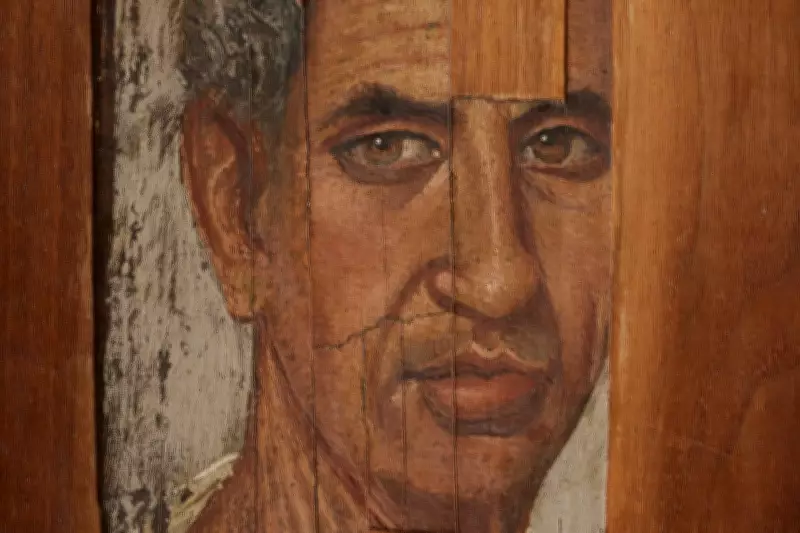
Ancient Fayum Mummy Portrait Sells for $889,000 at Sotheby's Auction
A stunning piece of ancient history has changed hands for a significant sum, as a 2,000-year-old mummy portrait from Roman Egypt sold for US$889,000 at a Sotheby's New York auction. This remarkable artifact, part of the auction house's Old Masters sales, offers a rare and vivid glimpse into the artistic and funerary practices of a bygone era.
The Portrait's Historical and Artistic Significance
Known as a Fayum portrait, this artwork originates from the Fayum region of Egypt, which was under Roman rule at the time of its creation. These portraits were typically painted on wooden panels and placed over the faces of mummified individuals, serving as a realistic depiction of the deceased. The portrait sold at Sotheby's is particularly notable for its exceptional state of preservation, with vibrant colors and intricate details that have survived the centuries.
These portraits are considered some of the earliest examples of panel painting in art history, blending Egyptian mummification traditions with Roman artistic techniques. They provide invaluable insights into the cross-cultural exchanges and daily life of the period, making them highly sought after by collectors and museums alike.

Auction Details and Market Context
The sale took place as part of Sotheby's Old Masters event, where it attracted considerable attention from bidders. The final price of $889,000 reflects the portrait's rarity, historical importance, and aesthetic appeal. Such auctions often see competitive bidding for well-preserved ancient artifacts, as they are increasingly rare on the market.
This sale underscores the robust demand for classical antiquities, even as the art market navigates various economic fluctuations. Similar Fayum portraits have fetched high prices in recent years, driven by their unique blend of artistic merit and archaeological value.
Broader Implications for Art and Archaeology
The successful auction of this mummy portrait highlights several key trends in the world of art and cultural heritage:
- Preservation and Provenance: Items with clear historical documentation and excellent condition command premium prices, emphasizing the importance of ethical sourcing and conservation efforts.
- Educational Value: Such artifacts serve as tangible links to ancient civilizations, fostering public interest in history and archaeology.
- Market Dynamics: The sale demonstrates the enduring appeal of ancient art, which continues to captivate collectors and investors despite modern trends.
As museums and private collectors vie for these rare pieces, the market for antiquities remains a vibrant and competitive space. This particular portrait's journey from a Roman-era tomb to a New York auction block is a testament to the lasting legacy of ancient artistic traditions.