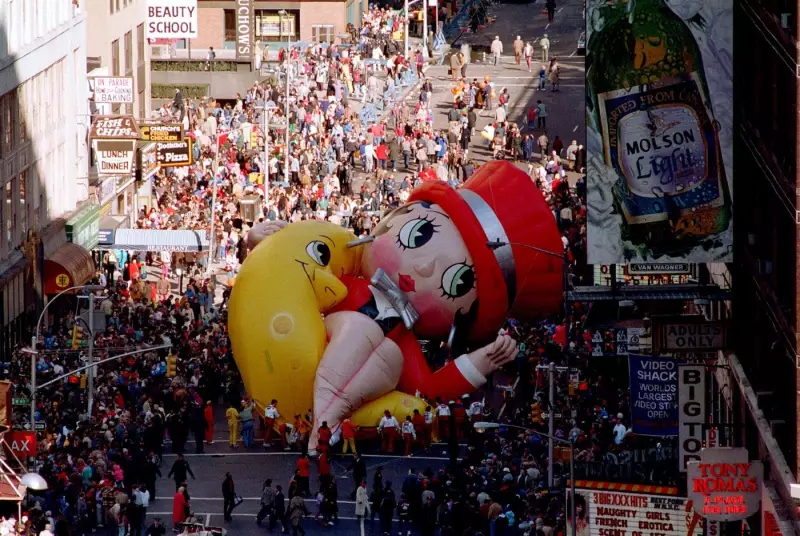
A significant shift in the creative landscape is set for the new year as a slate of beloved characters from the early 20th century are scheduled to enter the public domain. According to an announcement, the iconic cartoon flapper Betty Boop and the comic strip sensation 'Blindie' will see their copyright protections expire in 2026. They will be joined by a trio of classic detective characters, marking a major release of intellectual property into the public realm.
What Entering the Public Domain Means
When a work enters the public domain, its copyright expires, meaning it is no longer exclusively owned under intellectual property law. This legal transition allows anyone to use, adapt, remix, or republish these characters and stories without needing to seek permission or pay licensing fees. It opens the door for new interpretations, artistic projects, commercial products, and scholarly works based on these foundational figures of pop culture.
The move is part of a regular cycle under U.S. copyright law, where works eventually become available for public use after a set period. The upcoming release is particularly notable due to the enduring popularity and recognizability of the characters involved.

A Legacy of Animation and Comics
Betty Boop, created by Max Fleischer, first appeared in 1930 and quickly became a symbol of the Jazz Age with her signature catchphrase "Boop-Oop-a-Doop" and her stylized appearance. Despite evolving over decades and being managed by various rights holders, her image remains a staple in retro culture.
Similarly, the comic strip 'Blondie,' created by Chic Young, debuted in 1930 and follows the life of Blondie Boopadoop and her husband Dagwood Bumstead. It became one of the most widely syndicated comic strips in the world, spawning films, radio shows, and a lasting cultural footprint.
The specific trio of detectives entering the public domain alongside them was not named in the initial report, but it signals a boon for fans of classic pulp and mystery genres.
Implications for Creators and Fans
This development is expected to unleash a wave of new creative projects. Independent filmmakers, authors, game developers, and visual artists will be free to incorporate these characters into their work. We could see everything from new Betty Boop animated shorts and Blondie graphic novels to video games featuring the newly-freed detectives.
For educators and historians, it provides easier access to use these primary sources of 20th-century culture in analyses and presentations. Merchandise featuring the characters may also become more varied and accessible as the exclusive licensing hold of current rights holders dissolves.
However, it's important to note that while the original versions from the 1930s will be free to use, later iterations, modern trademarks on names or logos, and subsequent adaptations may still be protected. Creators will need to navigate which specific elements are truly in the public domain.
The entry of these characters into the public domain in 2026 represents a fascinating moment where classic American entertainment becomes a shared cultural commons, inviting a new generation to reinterpret and reimagine some of the most iconic figures from animation and comics history.