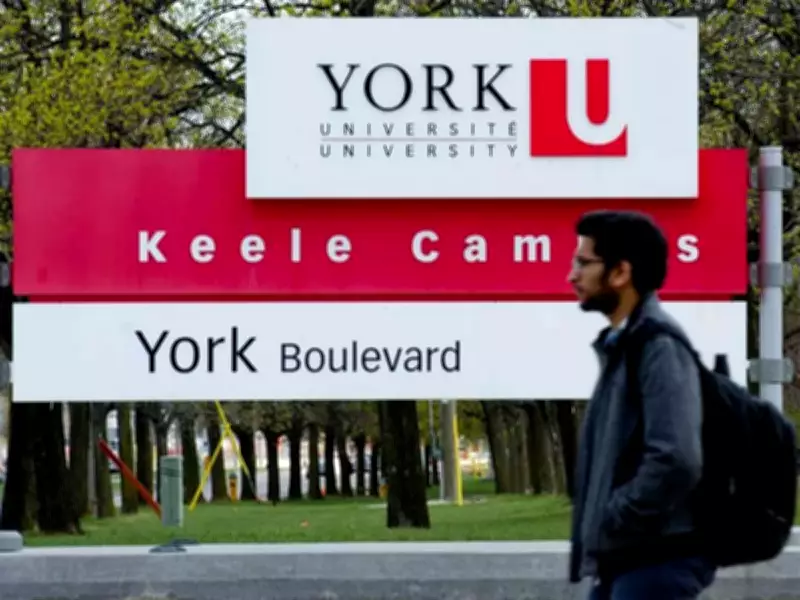
Political Agendas Infiltrate University Research Grant Applications
In a recent development that has sparked controversy in academic circles, York University's vice-president of research and innovation announced a workshop aimed at guiding researchers on integrating decolonization, equity, diversity, and inclusion (DEDI) into their grant applications. While presented as relevant across disciplines including science, social sciences, humanities, and health research, this initiative has drawn sharp criticism from Peter MacKinnon, a former president of three universities, who argues that such political agendas have no place in scholarly pursuits.
The Debate Over Decolonization and DEI in Academia
Decolonization, as highlighted by MacKinnon, is a term lacking settled meaning and broad acceptance. For some radical perspectives, it implies the illegitimacy of Canada's foundations, potentially advocating for drastic changes that could threaten the nation's existence. Similarly, diversity, equity, and inclusion (DEI) initiatives vary widely, from mild versions promoting outreach to more extreme forms involving race-based hiring, quotas, or mandatory pledges of support. MacKinnon emphasizes that these concepts are inherently political, with interpretations differing based on individual ideologies.
The York University workshop, according to critics, excludes dissenting voices, forcing researchers to conform to institutional requirements or risk their careers. This raises concerns about academic freedom, as scholars may feel pressured to align with specific political causes to secure funding, rather than having their proposals judged solely on scholarly merit.

Implications for Research Integrity and Institutional Neutrality
MacKinnon warns that the inclusion of political causes in university and federal research council missions undermines institutional neutrality, which is crucial for maintaining public trust and support. He finds it surprising that governments have permitted such practices, as they jeopardize the quality and objectivity of research. The focus, he argues, should remain on the researcher's expertise and the proposal's academic rigor, not on political conformity.
This issue extends beyond York University, reflecting broader trends in higher education where ideological pressures may influence funding decisions. As universities grapple with balancing social justice goals with academic independence, the debate highlights the need for clear boundaries to protect scholarly integrity from political interference.