Historic Moncton High School Building Remains Vacant Nearly a Decade After Closure
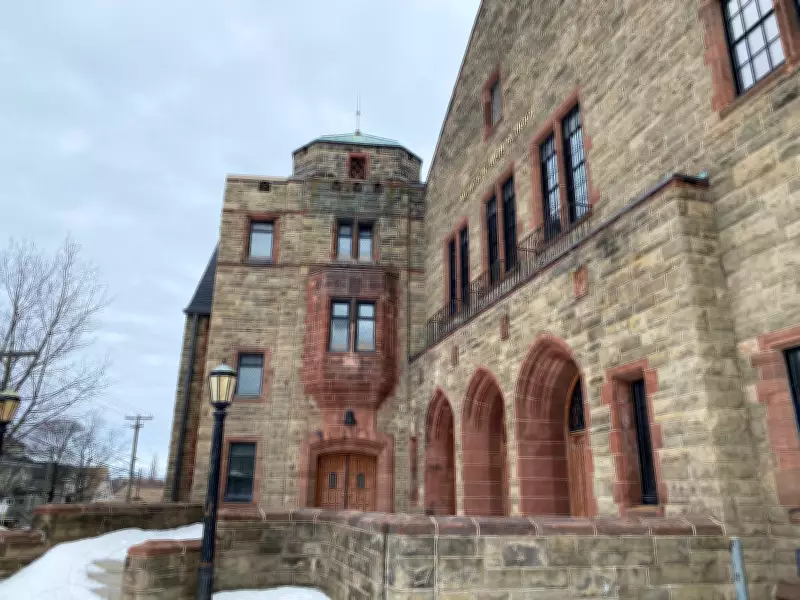
The former Moncton High School building, a significant landmark in Moncton, New Brunswick, continues to stand empty nearly nine years after its closure in 2015. This prolonged vacancy has sparked growing concern among heritage advocates and community members who argue the historic structure should be preserved and repurposed for contemporary use.
A Building with Deep Community Roots
Moncton High School served generations of students before its closure, making it an important part of the city's educational and social fabric. The building's architectural significance and historical value have been widely recognized, yet it has remained largely unused since its doors closed to students. This situation represents a broader challenge facing many communities across Canada as they grapple with how to handle aging institutional buildings that have outlived their original purposes.
The Push for Adaptive Reuse
Community advocates and heritage preservationists have been increasingly vocal about the need to find a new purpose for the historic structure. Adaptive reuse—the process of repurposing old buildings for new functions—has emerged as a potential solution that could preserve the building's character while giving it renewed relevance. Proponents argue that such an approach would honor the building's history while contributing to sustainable urban development by reducing construction waste and maintaining community landmarks.

Challenges and Opportunities
The continued vacancy of Moncton High School highlights several key issues:
- Financial considerations: Adaptive reuse projects often require significant investment, and finding the right balance between preservation costs and economic viability can be challenging.
- Regulatory hurdles: Heritage buildings frequently face complex regulatory requirements that can complicate redevelopment efforts.
- Community engagement: Successful adaptive reuse typically requires strong community support and creative vision for how historic spaces can serve contemporary needs.
Despite these challenges, similar projects across Canada have demonstrated that historic school buildings can be successfully transformed into community centers, mixed-use developments, cultural spaces, or educational facilities. The prolonged vacancy of Moncton High School represents both a missed opportunity and a potential catalyst for innovative urban planning that respects heritage while meeting modern community needs.
A Broader Context of Urban Development
The situation with Moncton High School occurs against a backdrop of broader discussions about urban development, heritage preservation, and community identity. As cities evolve, the question of how to handle significant historic buildings becomes increasingly important. The continued vacancy of this landmark building serves as a reminder of the need for proactive planning and creative solutions that balance preservation with progress.
The future of Moncton High School remains uncertain, but the ongoing dialogue about its potential reuse reflects a growing recognition that historic buildings represent more than just physical structures—they embody community memory and identity that deserve thoughtful consideration in urban planning decisions.