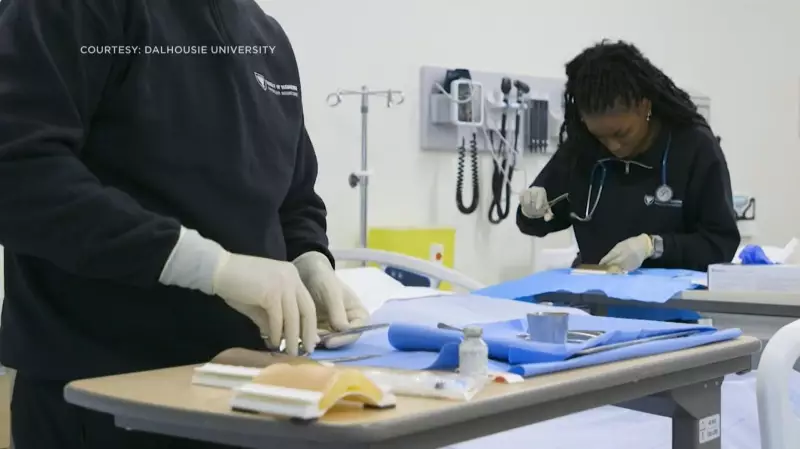
Dalhousie University in Nova Scotia is taking a direct step to bolster the front lines of healthcare with the launch of its new Master of Physician Assistant Studies program. The inaugural class, which began their studies recently, represents a strategic move to train highly skilled clinical professionals who can work alongside physicians to improve patient access to care.
Addressing Critical Healthcare Shortages
The program, announced in late December 2025, is designed to create a new pipeline of medical professionals for the Canadian healthcare system. Physician assistants (PAs) are trained to perform a wide range of duties, including conducting physical exams, diagnosing and treating illnesses, ordering and interpreting tests, and assisting in surgery. This new graduate program at Dalhousie aims to equip students with these essential skills, preparing them to work in various settings such as hospitals, family practices, and surgical units.
The development of this program comes at a time when healthcare systems across Canada, including in Nova Scotia, are facing significant strain due to workforce shortages and growing patient demands. By educating PAs locally, Dalhousie hopes to retain more healthcare professionals within the region.

Structure and Goals of the New Program
The Master of Physician Assistant Studies is an intensive, full-time program. The curriculum blends rigorous academic coursework with extensive clinical rotations, ensuring graduates are practice-ready. University officials and the assistant dean have highlighted the program's focus on collaborative, team-based care, which is a cornerstone of modern medical practice.
This initiative aligns with broader national conversations about innovating healthcare delivery and expanding the roles of non-physician clinicians. The program's first cohort is seen as a pilot group that will help shape the future of PA education in Eastern Canada.
A Path Forward for Healthcare in the Region
The launch of this program is more than just a new academic offering; it is a direct response to a systemic need. Training more physician assistants is expected to help alleviate pressure on overworked doctors and nurses, potentially reducing wait times and improving the overall efficiency of clinical care.
As the inaugural class progresses through its studies, the success of Dalhousie's program will be closely watched by other academic institutions and healthcare policymakers. If successful, it could serve as a model for similar programs across the country, contributing to a more resilient and adaptable healthcare workforce for all Canadians.