In a powerful fusion of ancestral wisdom and contemporary education, students and community members in New Brunswick are breathing new life into Wolastoqey traditions through an extraordinary hands-on project: building a traditional birchbark canoe.
Preserving Cultural Heritage Through Hands-On Learning
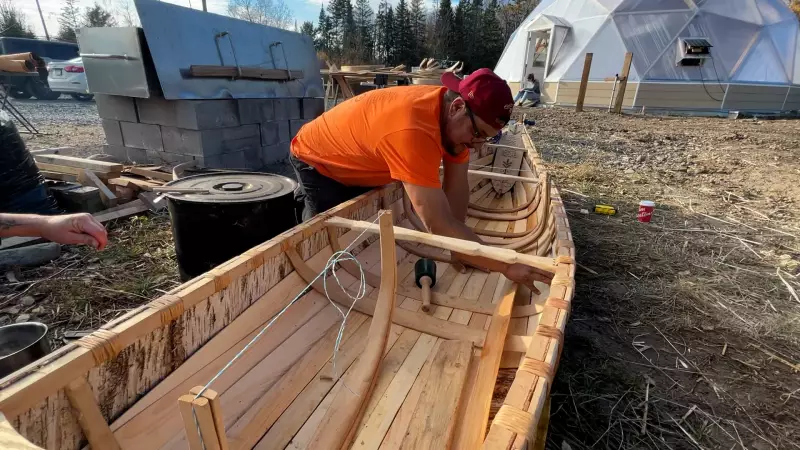
Under the guidance of knowledgeable elders and community experts, participants are meticulously crafting the canoe using time-honored techniques passed down through generations. This isn't just about constructing a vessel—it's about safeguarding cultural identity and ensuring that precious traditional skills don't fade into history.
"The more traditional knowledge I can absorb, the more I can pass on to students," explains one passionate educator involved in the project. "This canoe represents more than transportation; it carries our history, our connection to the land, and our cultural resilience."

A Living Classroom of Wolastoqey Wisdom
The project serves as a dynamic educational experience where participants learn:
- Traditional harvesting methods for birchbark and other natural materials
- Ancient construction techniques specific to Wolastoqey canoe-making
- The cultural significance of waterways and transportation in Indigenous life
- Environmental stewardship and sustainable resource use
Each step of the process becomes a lesson in both practical skills and cultural understanding, creating a bridge between generations that strengthens community bonds.
More Than a Canoe: A Symbol of Cultural Resilience
This initiative represents a growing movement across Indigenous communities to reclaim and revitalize traditional practices. By engaging youth in tangible cultural projects, communities are ensuring that valuable knowledge systems continue to thrive in the modern world.
The finished canoe will serve as both a functional vessel and a powerful educational tool, reminding future generations of the richness of Wolastoqey heritage and the importance of preserving these irreplaceable skills.
As the project continues, it stands as a testament to the enduring strength of Indigenous knowledge and the vital importance of keeping cultural traditions alive through active participation and intergenerational learning.