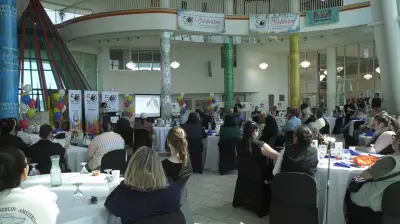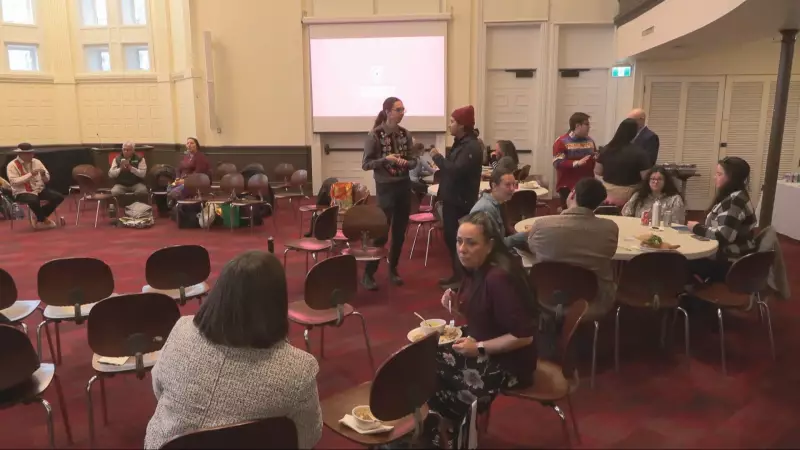
The University of Winnipeg marked a significant milestone in Indigenous education on January 5, 2026, as it officially welcomed the first students into its newly established Anishinaabemowin Language Program. The inaugural cohort gathered with community leaders and members to celebrate the launch of this vital initiative aimed at preserving and promoting the Anishinaabe language.
A Historic Step for Language Revitalization
This program represents a concrete commitment by the university to address the critical need for Indigenous language preservation. Anishinaabemowin, the language of the Anishinaabe people, is among many Indigenous languages in Canada that face the threat of decline. The creation of a dedicated academic program provides a structured, scholarly pathway for both Indigenous and non-Indigenous students to achieve fluency and deepen their cultural understanding.
The launch event was more than a ceremonial gathering; it was a powerful statement of resilience and cultural reaffirmation. The presence of community elders and knowledge keepers alongside university leadership underscored the collaborative effort required to make such an endeavor successful. This partnership model ensures the program remains grounded in authentic linguistic and cultural traditions.

Building Bridges Through Education
The University of Winnipeg's program is designed to do more than teach vocabulary and grammar. It serves as a bridge connecting students to the worldview, history, and oral traditions embedded within the Anishinaabemowin language. By offering this curriculum, the university contributes directly to the Truth and Reconciliation Commission's Calls to Action, specifically those urging educational institutions to create and maintain Indigenous language degrees and diplomas.
Enrollment in this first cohort signals strong community interest and a shared recognition of the language's importance. Students will engage in immersive learning experiences that are expected to include traditional teachings, conversation practice, and linguistic study, all facilitated by expert instructors.
Implications for the Future
The establishment of the Anishinaabemowin Language Program has far-reaching implications. For students, it opens new academic and professional avenues in education, translation, community work, and cultural preservation. For the wider community, it strengthens intergenerational ties and supports the healing journey by reclaiming a fundamental aspect of identity that was systematically targeted by colonial policies.
This initiative also positions the University of Winnipeg as a leading institution in Indigenous-led education within urban centers. It sets a precedent for other post-secondary schools across Canada to develop similar, community-responsive programs that honor and revitalize First Nations, Métis, and Inuit languages.
The success of this first cohort will be closely watched, as its progress will inform the expansion and development of the program in future years. This launch on a cold January day in 2026 may well be remembered as a warm and pivotal moment in the ongoing story of Anishinaabemowin.