Book Ban Attempts Continue at Record Levels Nationwide
Attempts to remove books from school curricula and public libraries have persisted at historically high rates, according to recent data and reports from educational advocacy groups. The phenomenon, which has intensified in recent years, reflects deep-seated cultural and political divisions over what materials are appropriate for young readers.
'Sold' Leads List of Most Challenged Titles
Patricia McCormick's novel Sold, a harrowing account of child sex trafficking, has emerged as the most frequently challenged book in the current cycle. The work, often taught in high schools for its literary merit and social relevance, faces objections primarily over its explicit themes and mature content. Critics argue it is unsuitable for younger audiences, while defenders emphasize its educational value in raising awareness about global human rights issues.
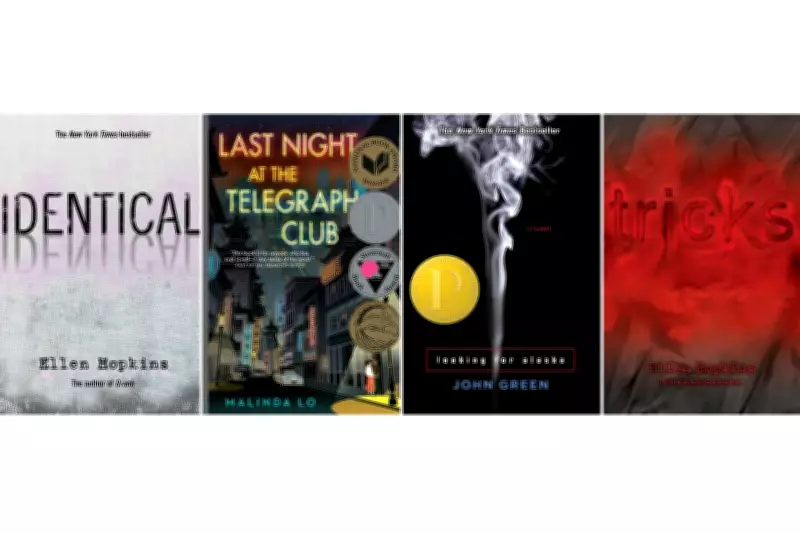
Other titles frequently targeted include Ellen Hopkins' Identical and Tricks, Malinda Lo's Last Night at the Telegraph Club, and John Green's Looking for Alaska. These books often deal with themes such as LGBTQ+ identities, mental health, substance abuse, and complex family dynamics—topics that some community members and parents find contentious.

Driving Forces Behind the Surge in Challenges
The sustained high volume of book challenges is driven by several factors. Organized advocacy groups, often aligned with conservative political movements, have mobilized to scrutinize library collections and classroom reading lists. Simultaneously, social media amplifies these efforts, enabling rapid dissemination of lists of targeted books and rallying supporters to file formal complaints.
Legislative actions in various states have also played a role. Laws mandating greater transparency in school curricula or restricting discussions on certain topics have empowered individuals to challenge materials they deem non-compliant. This legal landscape has created an environment where book challenges are not only more common but also more likely to result in temporary or permanent removals during review processes.
Impact on Educational Institutions and Free Expression
Librarians and educators report significant strain due to the volume of challenges. The review processes for contested books are often time-consuming, diverting resources from other educational priorities and creating a climate of caution among staff. Some teachers express hesitation in selecting potentially controversial texts, which could limit students' exposure to diverse perspectives and complex literary works.
Free speech advocates warn that the trend threatens intellectual freedom and the right to access information. They argue that book bans, even when localized, set dangerous precedents and undermine the role of libraries and schools as spaces for exploration and critical thinking. Conversely, proponents of the challenges assert parental rights to guide their children's reading and protect them from material they consider harmful or age-inappropriate.
Looking Ahead: The Future of Book Access
As the debate shows no signs of abating, the coming years will likely see continued conflict over book content. Legal battles are expected to intensify, with organizations like the American Library Association and the American Civil Liberties Union mounting defenses against removals. The outcome of these struggles will shape not only what books remain on shelves but also broader norms around censorship, education, and cultural dialogue in communities across the nation.
The record-high numbers serve as a stark indicator of the polarized state of public discourse. Whether this trend peaks or becomes a permanent feature of the educational landscape remains to be seen, but its implications for literacy, empathy, and democratic engagement are profound and far-reaching.