Alberta's 'Fund Public Schools' Citizen Initiative Petition Fails to Gather Required Signatures
A citizen-led petition in Alberta, which sought to increase funding for public schools through a direct democratic process, has fallen short of the required number of signatures. The initiative, known as the "Fund Public Schools" petition, needed to collect a minimum threshold of signatures to advance to a potential provincial referendum, but organizers confirmed on February 11, 2026, that they did not meet this goal.
Details of the Petition Effort
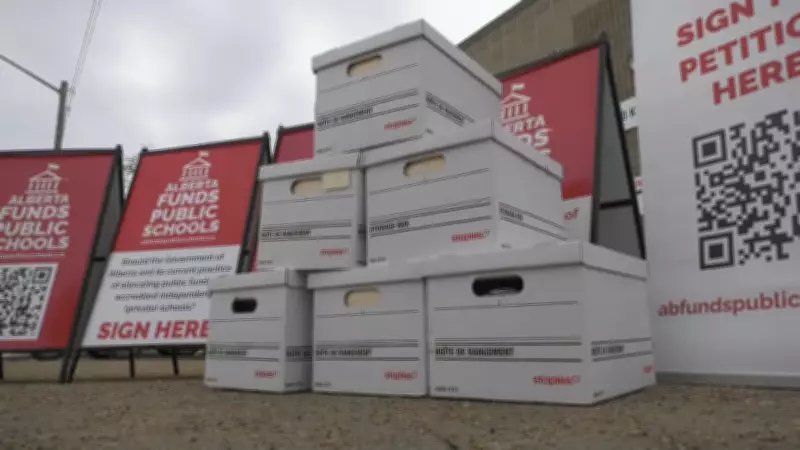
The petition was part of Alberta's citizen initiative legislation, which allows residents to propose new laws or policy changes if they gather enough public support. Specifically, this initiative aimed to secure additional government funding for public schools across the province, addressing concerns over resource shortages and educational quality. Organizers had been collecting signatures for several months, with boxes of petitions seen outside the Elections Alberta office in Edmonton on the deadline day.
Despite significant grassroots efforts, the petition failed to reach the signature count mandated by provincial regulations. This outcome means the proposal will not proceed to the next stage, which would have involved a review by the government and possibly a public vote. The shortfall highlights the challenges faced by citizen-led campaigns in mobilizing widespread support, even for issues like education that often resonate with voters.

Broader Context and Implications
This petition failure occurs amid ongoing debates in Alberta about education funding and public school resources. Proponents of the initiative argued that increased investment is crucial for improving student outcomes and addressing infrastructure needs. However, the lack of sufficient signatures suggests that either public awareness was limited or that other priorities may have overshadowed the campaign.
The result underscores the rigorous requirements of Alberta's citizen initiative process, designed to ensure that only proposals with substantial backing move forward. It also reflects the competitive landscape of advocacy, where multiple petitions and social causes vie for attention in a busy political environment.
Moving forward, organizers may reassess their strategies or seek alternative avenues to advocate for public school funding, such as lobbying government officials or launching new awareness campaigns. The failure of this petition does not necessarily signal an end to the conversation about education funding in Alberta, but it does represent a setback for those hoping to use direct democracy as a tool for change.