Controversial Campus Talk at Vanier College Draws Criticism
A recent panel discussion at Montreal's Vanier College has sparked significant controversy, with critics describing the event as a one-sided presentation filled with factual inaccuracies and extremist rhetoric. The talk, titled "Whose Freedom to Exist?" was held on March 4 and featured two Concordia University students who have been active in pro-Palestinian campus organizing.
Event Organization and Sponsorship
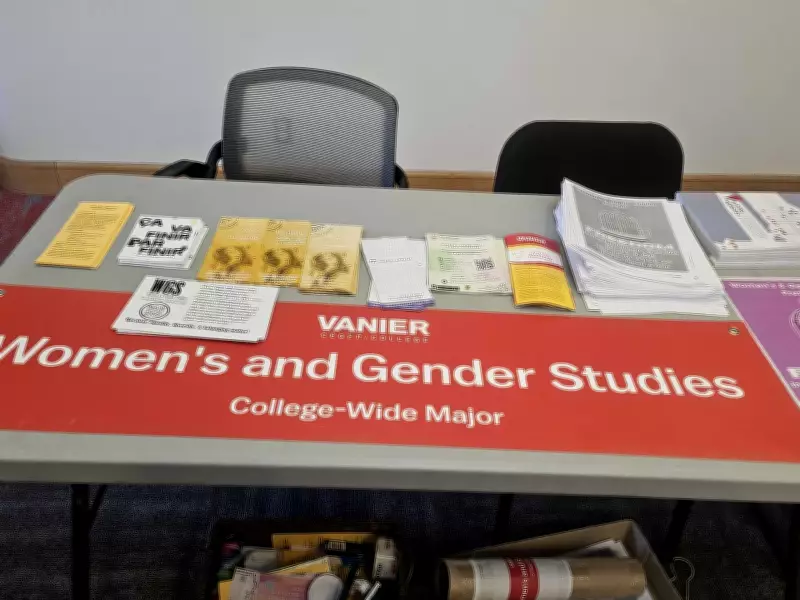
The panel was organized by the women and gender studies department at Vanier College and moderated by humanities instructor Leila Bdeir. The event received co-sponsorship from Quebec's Ministry of Education and the Vanier College Teachers' Association, lending institutional credibility to what some observers have characterized as a problematic presentation.
Featured speakers included Rayana Eltanoukhi, a graduate researcher in psychology at Concordia University, and Danna Noor Ballantyne, a Palestinian student activist serving as the Concordia Student Union's external and mobilization coordinator. Ballantyne previously spent three years as an executive with Solidarity for Palestinian Human Rights (SPHR).

Content and Tone of Discussion
According to observers, the session quickly devolved into what felt like a recruitment drive for anti-Israel activism, with the moderator opening with a land acknowledgement that specifically referenced Palestine. Bdeir introduced the speakers as leaders in "the campus struggle for solidarity with Palestine and Palestinians" who would discuss their experiences with academic repression and increased securitization of student life.
The moderator made controversial claims about parallels between campus security measures and Israeli military tactics, setting a confrontational tone for the discussion. Panelists described their activism goals and experiences, with Ballantyne explaining how she shifted from SPHR involvement to more bureaucratic work against university administration.
Post-October 7 Campus Climate
Both speakers emphasized how campus activism intensified following the October 7, 2023 attacks. Ballantyne noted that while the framework for activism already existed, events "got really intense, really fast" after that date. Eltanoukhi, who identifies as Lebanese, described growing up "extremely pro-Palestine" in Montreal but feeling constrained about discussing the topic publicly until the post-October 7 campus activism boom provided "material ways" to engage.
The discussion focused heavily on student mobilization efforts and what panelists characterized as institutional backlash against their activism. The event concluded with what some observers described as a call for continued activism, framed as carrying on the work of "exhausted" organizers.
Academic Freedom and Campus Discourse Concerns
The event has raised questions about the boundaries of academic discourse and institutional sponsorship of potentially one-sided political presentations. Critics argue that the session lacked balanced perspectives and promoted what they characterize as anti-Zionist conspiracies and extremist rhetoric under the guise of academic discussion.
The involvement of government and institutional sponsors has particularly concerned observers who question whether such events represent appropriate use of educational resources. The controversy highlights ongoing tensions on Canadian campuses regarding Middle East politics and the appropriate role of academic institutions in facilitating political discourse.