University of Manitoba Professor Cooks Up History Lessons in the Kitchen
In a unique educational initiative, a professor at the University of Manitoba is using the kitchen as a classroom to teach students about history. By having students cook recipes from the 1940s, this innovative approach aims to make historical lessons more engaging and tangible.
Blending Culinary Arts with Academic Study
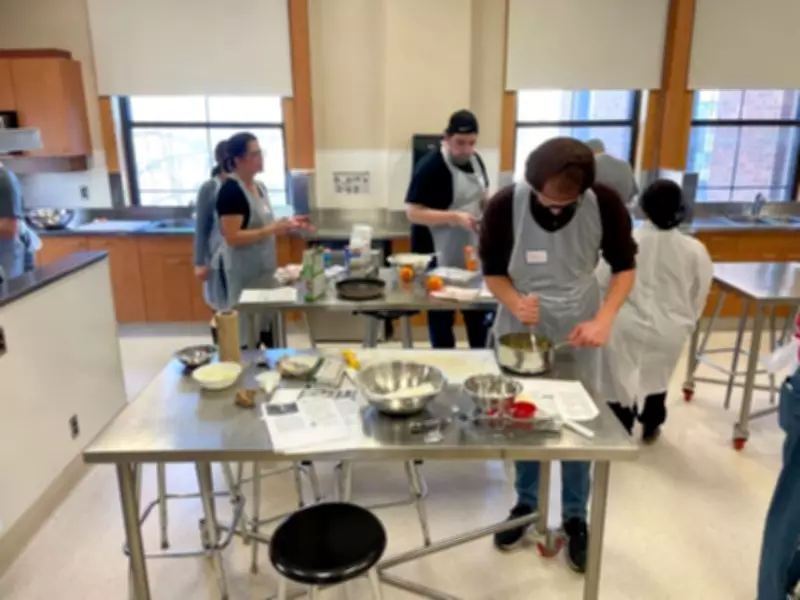
The professor, whose name is not specified in the original article, integrates cooking into history classes to help students connect with the past through sensory experiences. On March 11, 2026, students were observed preparing dishes from the 1940s, a period marked by World War II and significant social changes. This hands-on method allows learners to explore historical contexts, such as rationing and cultural shifts, by recreating meals that people actually ate during that era.
This culinary history project goes beyond traditional textbooks, offering a practical way to understand daily life in the past. Students not only learn about historical events but also gain insights into food preparation techniques, ingredient availability, and nutritional habits of the time. The professor emphasizes that cooking can reveal much about societal norms, economic conditions, and technological advancements.

Enhancing Student Engagement and Learning Outcomes
By incorporating cooking into the curriculum, the University of Manitoba is fostering a more interactive and memorable learning environment. Research suggests that experiential activities like this can improve retention and critical thinking skills. Students reported that the cooking sessions made history feel more relevant and accessible, sparking discussions about how food reflects broader historical narratives.
The initiative aligns with broader trends in education that prioritize multidisciplinary approaches, combining elements of social studies, home economics, and cultural anthropology. It also highlights the university's commitment to innovative teaching methods that cater to diverse learning styles.
Potential Impact and Future Directions
This cooking-based history class could serve as a model for other institutions looking to revitalize their humanities programs. The professor plans to expand the project to include recipes from different historical periods and cultures, further enriching the educational experience. Additionally, the university may explore partnerships with local museums or culinary schools to enhance the program's resources and outreach.
Overall, the University of Manitoba's initiative demonstrates how creative pedagogy can transform abstract historical concepts into concrete, engaging lessons. By turning the kitchen into a historical laboratory, students are not just learning about the past—they are tasting it, one recipe at a time.