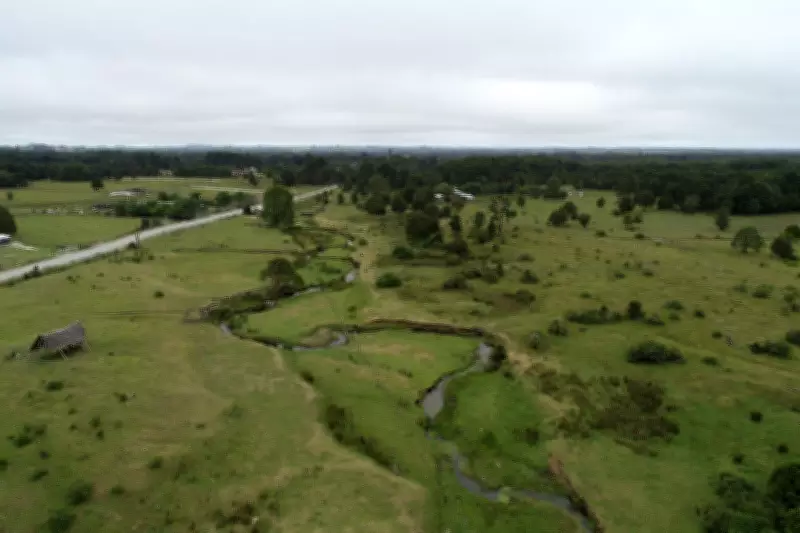
A groundbreaking new archaeological study is challenging long-held beliefs about how humans first populated the Americas, focusing on a site previously considered a cornerstone of evidence.
Re-examining Monte Verde
The research centers on the Monte Verde archaeological site in Chile, which has been pivotal in theories about early human migration across the continents. For decades, this location was cited as proof that humans inhabited South America much earlier than previously thought, around 14,500 years ago. However, the latest findings suggest that the evidence from Monte Verde may not be as definitive as once believed.
Implications for Migration Theories
This reassessment could significantly alter our understanding of the peopling of the Americas. If Monte Verde's timeline is called into question, it may force scientists to reconsider other migration models, including the timing and routes taken by the first human settlers. The study prompts a broader re-evaluation of archaeological methods and the interpretation of ancient sites.

Archaeological Debate Intensifies
The controversy highlights the dynamic nature of archaeological science, where new technologies and analyses can overturn established narratives. Researchers emphasize that this does not negate the importance of Monte Verde but rather refines its place in the complex puzzle of human history.
Future research directions are likely to focus on corroborating evidence from other sites and employing advanced dating techniques to build a more accurate timeline of human presence in the Americas.