King Harold's Legendary 200-Mile March to Hastings Debunked as Historical Myth
Groundbreaking academic research has cast doubt on one of the most enduring tales of English history: the claim that King Harold II marched his army 200 miles in just four days to confront William the Conqueror at the Battle of Hastings in 1066. According to a new study, this narrative, popularized for centuries, is likely a medieval myth rather than a factual account.
Reevaluating the Norman Conquest Narrative
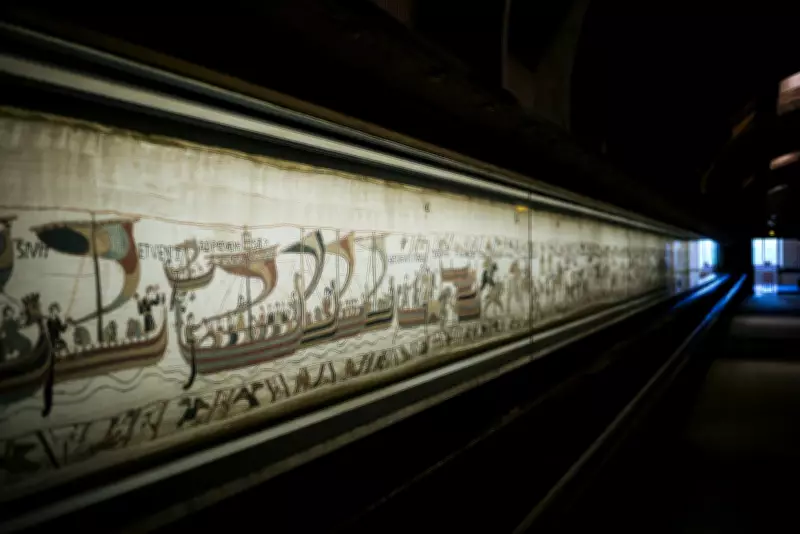
The story of Harold's rapid march from the north of England, where he had just defeated Norwegian invaders at the Battle of Stamford Bridge, to the south coast to face the Norman invasion is a cornerstone of historical accounts of the Norman Conquest. It has been depicted in sources like the 11th-century Bayeux Tapestry, which chronicles these events. However, researchers argue that this feat would have been logistically implausible given the technology and conditions of the time.
"The idea of covering 200 miles in such a short period, with a medieval army, stretches credibility," explained the lead researcher. "Our analysis of contemporary records and military logistics suggests that this march is an exaggeration, possibly crafted to enhance Harold's image as a heroic and tireless leader."

Evidence from Historical Sources and Archaeology
The study draws on a multidisciplinary approach, combining historical documents, archaeological findings, and modern simulations of medieval travel. Key points include:
- Examination of the Bayeux Tapestry and other primary sources reveals inconsistencies in the timeline.
- Analysis of road conditions and army supply chains in 11th-century England indicates that such a march would have been extremely challenging, if not impossible.
- Comparisons with other medieval military campaigns show that armies typically moved at much slower paces due to logistical constraints.
This research not only questions the specifics of Harold's march but also encourages a broader reevaluation of how historical events from this period are interpreted. "Myths often arise to simplify complex narratives," the researcher noted. "In this case, the story of the march may have served to dramatize the swift turn of events leading to the Norman victory."
Implications for Understanding Medieval History
By challenging this long-accepted account, the study opens up new avenues for understanding the Battle of Hastings and its aftermath. It highlights the importance of critical analysis in historical research, especially for events that have shaped national identities.
"This isn't just about debunking a myth; it's about refining our comprehension of medieval warfare and leadership," the researcher added. The findings suggest that Harold's forces may have been better positioned or used different strategies than previously thought, potentially altering perceptions of his military acumen.
As historians continue to investigate, this research underscores the dynamic nature of historical scholarship, where new evidence can reshape stories that have been told for generations. The legend of Harold's march may persist in popular culture, but in academic circles, it is now being scrutinized as a possible fabrication from a bygone era.