First Nations Science Fair Merges Traditional Knowledge with Modern Science in Winnipeg
Hundreds of enthusiastic students gathered in Winnipeg for a groundbreaking educational event that successfully blended mainstream scientific methodologies with Indigenous traditional knowledge. The First Nations Science Fair, held on March 26, 2026, showcased innovative projects that demonstrated how these two knowledge systems can complement each other in meaningful ways.
Student Projects Highlight Practical Applications
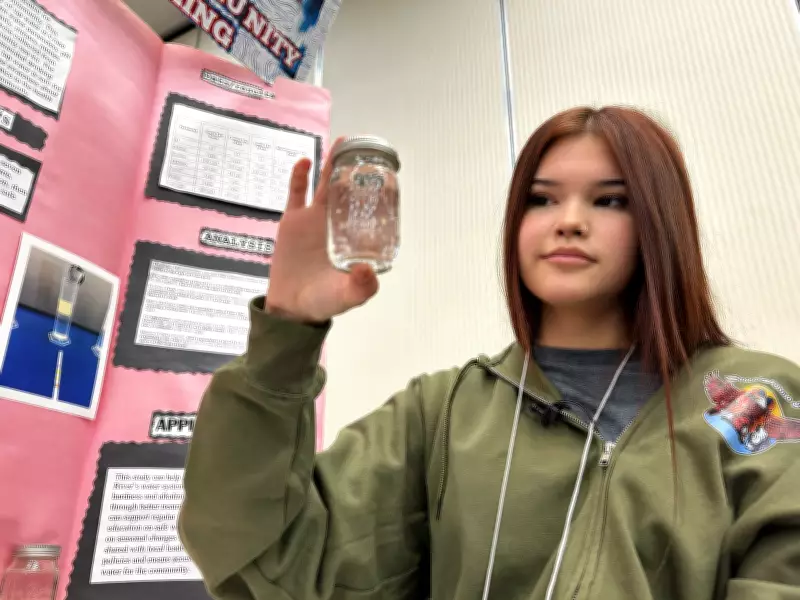
Among the standout presentations was Grade 8 student Jordan Cutlip's project, which focused on testing water samples from homes in Crane River to assess drinking water quality. Her work exemplified how scientific testing methods can be applied to address real-world concerns in Indigenous communities, while potentially incorporating traditional understandings of water stewardship and environmental responsibility.
The science fair featured numerous other student projects that similarly integrated Indigenous perspectives with conventional scientific approaches. These presentations covered diverse topics including environmental monitoring, sustainable resource management, and community health initiatives, all viewed through both scientific and cultural lenses.

Educational Significance and Community Impact
This event represents a significant step forward in educational approaches that honor Indigenous ways of knowing while maintaining rigorous scientific standards. By creating a platform where students can explore scientific concepts through both Western and Indigenous frameworks, the fair fosters greater cultural understanding and promotes more inclusive educational practices.
The large turnout of hundreds of students indicates strong community support for this innovative approach to science education. Participants had the opportunity to engage with mentors, educators, and community members who value both traditional knowledge systems and contemporary scientific methods.
Broader Implications for Science Education
The success of Winnipeg's First Nations Science Fair suggests several important developments:
- Enhanced Educational Approaches: The integration of traditional knowledge with mainstream science creates more culturally relevant learning experiences for Indigenous students.
- Improved Scientific Understanding: This blended approach can lead to more comprehensive solutions to environmental and community challenges.
- Increased Engagement: By connecting scientific learning to cultural heritage, students demonstrate greater interest and participation in STEM fields.
- Community Empowerment: The fair provides a platform for Indigenous youth to address local issues using both traditional and scientific knowledge systems.
As educational institutions increasingly recognize the value of incorporating diverse knowledge systems, events like the First Nations Science Fair serve as important models for how to respectfully and effectively blend different ways of understanding the world. The enthusiastic participation of hundreds of students suggests this approach resonates strongly with young learners seeking to connect their cultural heritage with contemporary scientific inquiry.