Architect Voices Concerns Over White House Ballroom Size Ahead of Key Vote
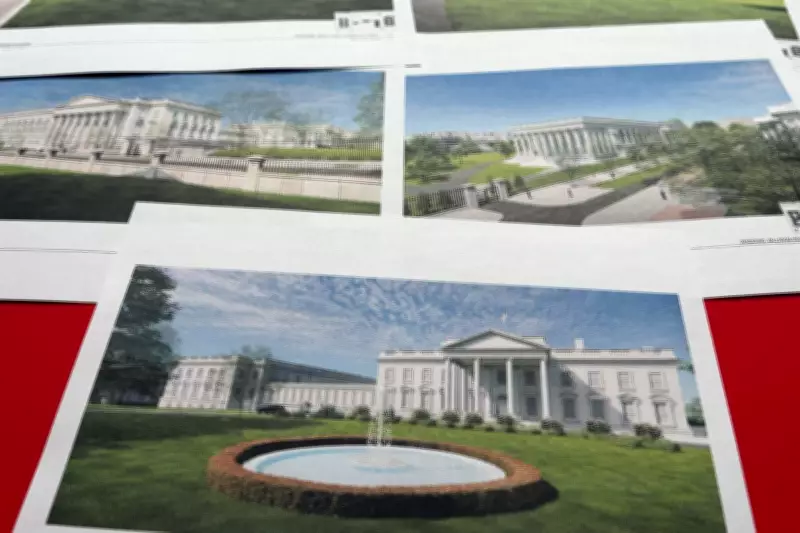
An architect involved in the planning process has publicly criticized the proposed dimensions of the new White House East Wing and Ballroom, describing it as excessively large. This critique comes as a second panel prepares to vote on the design, following the brief online posting of artist renderings and diagrams by the National Capital Planning Commission.
Design Details and Public Disclosure
Artist renderings and detailed diagrams of the planned White House East Wing and Ballroom were temporarily available on the National Capital Planning Commission's website in February 2026. These materials were released ahead of a scheduled hearing on March 5, 2026, providing the public with a rare glimpse into the ambitious architectural project. The disclosure has sparked discussions among design experts and policymakers regarding the scale and functionality of the new spaces.
The architect, who has not been named in official statements, argued that the ballroom's proposed size could lead to inefficiencies and aesthetic imbalances within the historic White House complex. This feedback adds a layer of controversy to the ongoing approval process, which involves multiple regulatory bodies assessing the design's compliance with national capital standards.

Upcoming Panel Vote and Implications
A second planning panel is set to convene and vote on the White House ballroom proposal in the coming days. This vote is critical, as it will determine whether the project moves forward to further stages of review or requires significant modifications. The architect's concerns highlight potential challenges in blending modern architectural ambitions with the preservation of the White House's iconic heritage.
If approved, the new ballroom could become a focal point for state events and diplomatic functions, but critics warn that its scale might overshadow other elements of the East Wing. The planning commission has emphasized that all feedback, including the architect's remarks, will be considered during the deliberation process to ensure a balanced outcome.
Broader Context and Public Reaction
The debate over the White House ballroom's size occurs amid a broader national conversation about government spending and architectural integrity. Public interest has been piqued by the early release of design materials, with many expressing opinions on social media and through formal channels. Some support the grand vision for enhancing the White House's facilities, while others echo the architect's worries about proportionality and cost.
As the second panel prepares to vote, stakeholders are closely monitoring developments, aware that the decision could set precedents for future federal building projects. The outcome will not only affect the immediate design but also influence how historical sites are modernized in the United States.