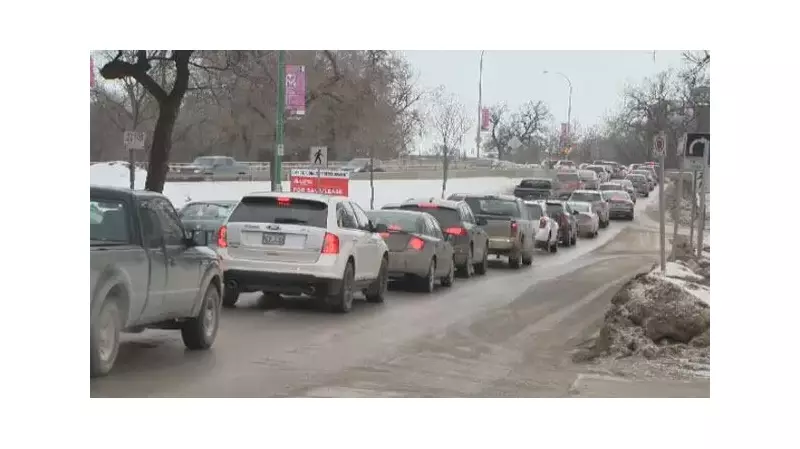
Winnipeg Secures Sixth Spot Among Canada's Most Congested Urban Centers
Recent analysis has positioned Winnipeg as the sixth most congested city across Canada, shedding light on significant traffic challenges within Manitoba's bustling capital. This ranking underscores persistent urban mobility issues that impact daily commutes and economic activities in the region.
Understanding Winnipeg's Traffic Congestion Ranking
The evaluation, based on comprehensive traffic data, places Winnipeg behind other major Canadian metropolitan areas but ahead of many smaller cities. Factors contributing to this congestion include urban sprawl, infrastructure limitations, and increasing vehicle density. As a key economic hub in Western Canada, Winnipeg's traffic woes reflect broader trends in urban development and transportation planning.
Implications for Residents and Commuters
For Winnipeg residents, this ranking translates to longer travel times, heightened fuel consumption, and potential delays in logistics and services. The congestion can affect everything from daily errands to business operations, emphasizing the need for strategic interventions. Public awareness and policy discussions are likely to intensify as stakeholders seek solutions to alleviate traffic pressures.

Comparative Context with Other Canadian Cities
While cities like Toronto and Vancouver often dominate congestion headlines, Winnipeg's placement highlights that mid-sized urban centers are not immune to traffic gridlock. This ranking serves as a reminder that congestion is a nationwide issue, requiring tailored approaches based on local demographics, geography, and infrastructure. Other cities in similar positions may look to Winnipeg's experiences for insights into managing their own traffic challenges.
Future Outlook and Potential Solutions
Looking ahead, addressing Winnipeg's congestion will likely involve a mix of infrastructure upgrades, public transit enhancements, and smart city technologies. Initiatives such as improved road networks, expanded cycling lanes, and incentives for off-peak travel could play roles in mitigating the problem. Community engagement and government action will be crucial in developing sustainable transportation strategies for the future.
In summary, Winnipeg's ranking as Canada's sixth most congested city highlights ongoing urban mobility issues that demand attention. By understanding the factors at play and exploring innovative solutions, the city can work towards a more efficient and less congested transportation system for all its inhabitants.