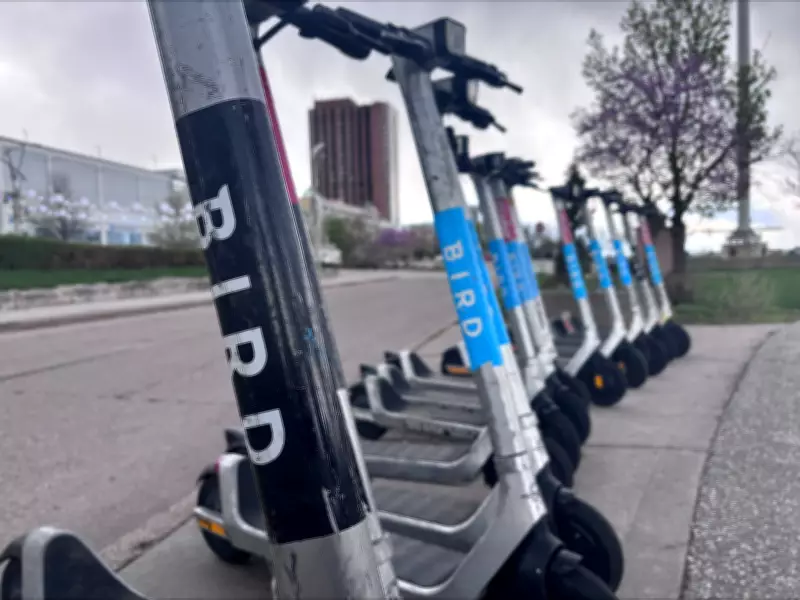
The fate of Bird e-scooters in Windsor, Ontario, could be determined at the next city council meeting, as officials weigh the program's future amid ongoing debates over safety and regulation.
Background of the Pilot Program
Bird e-scooters were introduced in Windsor as part of a pilot program aimed at providing alternative transportation options. The program has faced mixed reactions from residents and city leaders, with some praising the convenience and others raising concerns about sidewalk clutter, rider safety, and enforcement.
Key Issues at Stake
Council members are expected to discuss several critical factors, including accident data, compliance with local bylaws, and public feedback. The decision could set a precedent for how other Canadian cities handle similar micromobility services.

If the council votes to terminate the program, Bird would be required to remove all scooters from Windsor streets. Alternatively, an extension could come with stricter regulations, such as designated parking zones and speed limits.
Community and Business Impact
Local businesses have reported mixed effects, with some seeing increased foot traffic from scooter users, while others cite safety hazards. Advocates for the program argue that e-scooters reduce car dependency and carbon emissions, aligning with Windsor's sustainability goals.
The council meeting is scheduled for later this month, and the outcome will be closely watched by residents, transportation experts, and micromobility companies across Canada.