

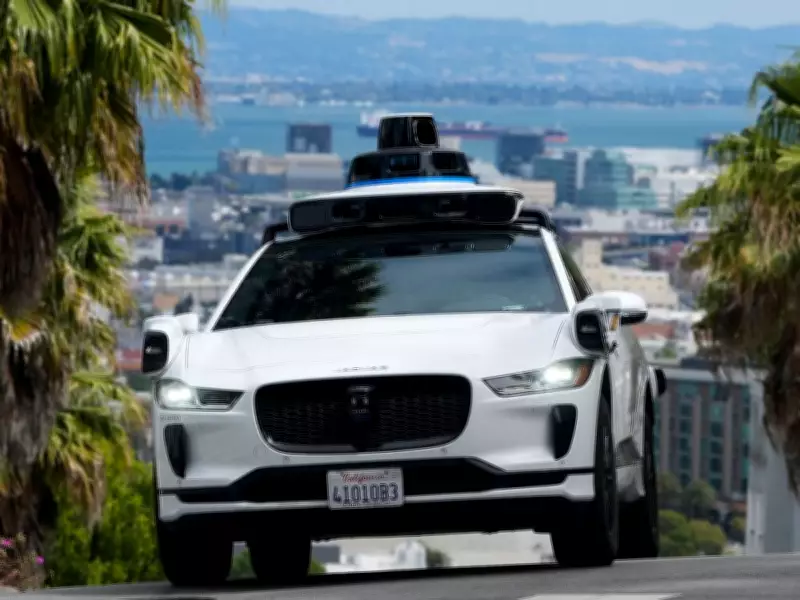
Waymo Recruits DoorDash Drivers to Address Open Robotaxi Doors in Atlanta
In an innovative move to enhance the efficiency of its autonomous vehicle operations, Alphabet Inc.'s Waymo has launched a pilot program in Atlanta that enlists DoorDash Inc. drivers to close robotaxi doors left ajar by passengers. This initiative aims to prevent delays by allowing driverless vehicles to quickly return to service, showcasing a novel partnership between the robotaxi industry and gig economy platforms.
Details of the Door-Closing Task
A recent incident highlighted the program's mechanics: a DoorDash driver in Atlanta received an offer via the app to close an open Waymo vehicle door for a payment of US$11.25, as evidenced by a screenshot posted on Reddit. The task description explicitly stated, 'No pickup or delivery required,' indicating a straightforward, one-off job focused solely on resolving the door issue. Waymo and DoorDash have confirmed that this is part of a collaborative pilot that began earlier in the year, designed to address occasional operational hiccups.
In a joint statement, the companies explained, 'In the rare event a vehicle door is left ajar, preventing the car from departing, nearby Dashers are notified, allowing Waymo to get its vehicles back on the road quickly.' While they declined to disclose specific financial arrangements, they assured that the payment structure is competitive and fair for the Dashers involved.

Broader Implications for the Robotaxi Industry
This pilot exemplifies the emerging trend of partnerships between autonomous vehicle companies and gig economy firms to support the growing robotaxi sector. In the United States, Waymo is a leader in this field, but its fleets still rely on human labor for various maintenance tasks. For instance, technicians at depots handle daily cleaning, charging, and upkeep of the vehicles. Waymo has also forged alliances with other companies, such as Uber Technologies Inc., to integrate driverless rides into ride-hailing apps in cities like Atlanta, Phoenix, and Austin, where Uber-backed teams manage depot operations.
Additionally, Waymo maintains a separate autonomous delivery partnership with DoorDash in Phoenix, further cementing their collaborative efforts. However, the long-term role of DoorDash's independent contractors in Waymo's expansion across more U.S. markets remains uncertain. The companies noted that future Waymo vehicle platforms will feature automated door closures, suggesting this human intervention may be a temporary solution as technology advances.
Conclusion
As the robotaxi industry evolves, such pilot programs highlight the ongoing need for human support in autonomous systems. This partnership not only addresses immediate operational challenges but also underscores the dynamic interplay between innovation and practical logistics in the tech-driven transportation landscape.






