

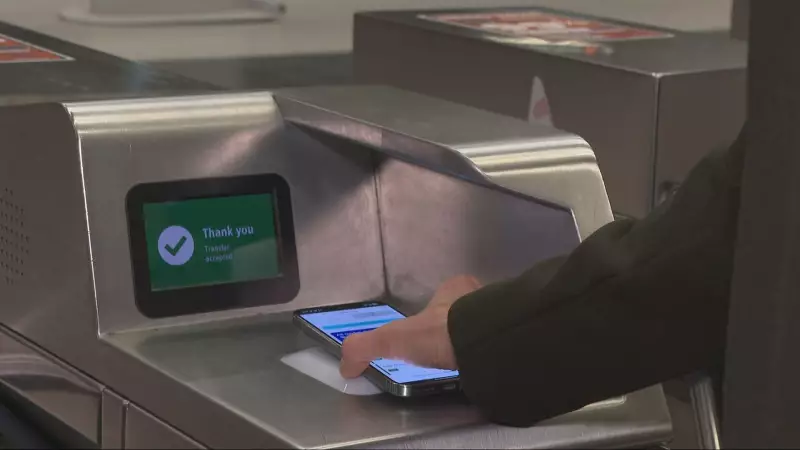
Montreal's public transit system is poised for a significant digital upgrade with the planned launch of virtual OPUS cards. This new initiative, set to debut on the city's transit network, represents a major step towards modernizing how residents pay for their commutes.
A Digital Leap for Commuters
The introduction of virtual OPUS cards will allow users to store their transit passes directly on their smartphones. This move away from the traditional physical plastic card aims to provide greater convenience and accessibility for the hundreds of thousands of daily riders on the Société de transport de Montréal (STM) network. The virtual cards are expected to launch in 2025, as reported by MontrealNews.
Features and Expected Benefits
While specific technical details are still emerging, the virtual OPUS system is anticipated to function through a dedicated mobile application. Commuters will likely be able to purchase passes, reload fares, and manage their accounts digitally. This shift could reduce reliance on physical card vending machines and service points, streamlining the user experience. The initiative aligns with global trends in contactless and mobile-based transit payments.

The development was highlighted in a report by Joe Lofaro, published on December 01, 2025. The integration of this technology is seen as a response to the growing demand for seamless, tech-forward solutions in urban mobility.
The Future of Transit in Montreal
This digital transition for the OPUS card system signifies more than just a new payment method. It reflects a broader modernization of Montreal's transit infrastructure. A successful rollout could encourage higher transit usage by making the system more user-friendly and adaptable to the digital habits of modern passengers.
As the launch year of 2025 approaches, more details regarding compatibility, security, and the phased implementation plan are expected from transit authorities. This move places Montreal among other major cities investing in digital fare systems to create more efficient and resilient public transportation networks.






