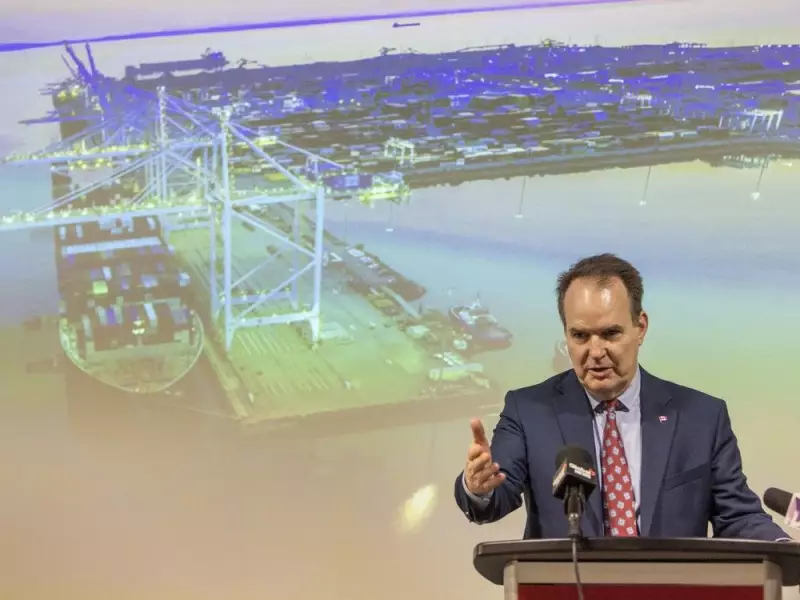
Federal Transport Minister Steven MacKinnon has publicly acknowledged the severe challenges that caused the Port of Vancouver to plummet to near the bottom of global rankings, while outlining a commitment to critical infrastructure upgrades to restore its status as Canada's premier gateway to Asia.
Minister Confronts a Port in Crisis
During a tour of the port facilities on Tuesday, Minister MacKinnon spoke candidly about the issues that led to the port's dramatic fall to 398th out of 403 ports worldwide in the World Bank's Container Port Performance Index. He pointed to a combination of factors, including disruptive labour disputes that caused days-long shutdowns and supply chain congestion that left shipping containers stranded for weeks.
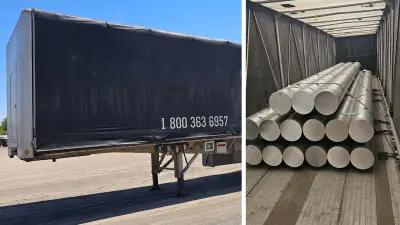
The real-world impact was starkly illustrated earlier this year when Saskatchewan-based Nutrien, one of the world's largest potash producers, made the decision to reroute its exports through Longview, Washington. The company cited delays from last year's labour unrest and congested routes, notably the single-rail bridge serving the Port of Vancouver's North Shore terminals.

A Blueprint for Recovery and Expansion
In response, MacKinnon laid out a multi-pronged plan to regain capacity and reliability. His commitments include:
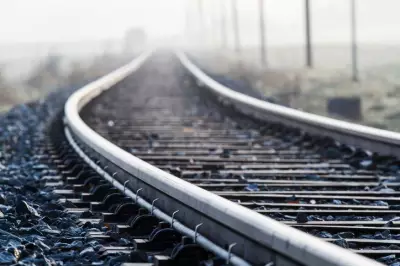
- Upgrading and expanding critical railway infrastructure to alleviate bottlenecks.
- Completing the Roberts Bank Terminal 2 expansion project in Delta, B.C., which is crucial for adding capacity outside the constrained Vancouver harbour.
- Supporting the replacement of the aging Massey Tunnel, though he stopped short of a specific federal funding pledge for that highway project.
The Roberts Bank expansion alone is a colossal undertaking, with an estimated cost of at least $3.5 billion and a projected completion date in the mid-2030s. Procurement for the project is already underway.
Strategic Importance for Canada's Trade Future
MacKinnon framed these infrastructure investments as essential to Canada's economic sovereignty and diversification goals. He referenced Prime Minister Mark Carney's challenge to double the country's non-U.S. exports, a target he believes is unattainable without a robust West Coast port system.
"If we are to meet (the) challenge... we cannot plausibly do that without increased port capacity on the West Coast," MacKinnon stated. "Vancouver is going to be central to that." He emphasized the need to reduce reliance on an "ever-more turbulent and unreliable United States" by strengthening ties with Asian and other global markets.
The minister conceded that while the port itself manages some operational challenges, other issues—like the movement of containers before they arrive or after they leave the port—are beyond its direct control. He concluded that the federal government must play a more active role in coordinating the entire supply chain, aiming to transform Canada's transportation network into a "source of competitive advantage" on the world stage.