Metro Vancouver Gas Prices Could Spike 7 Cents by Monday, Analyst Warns
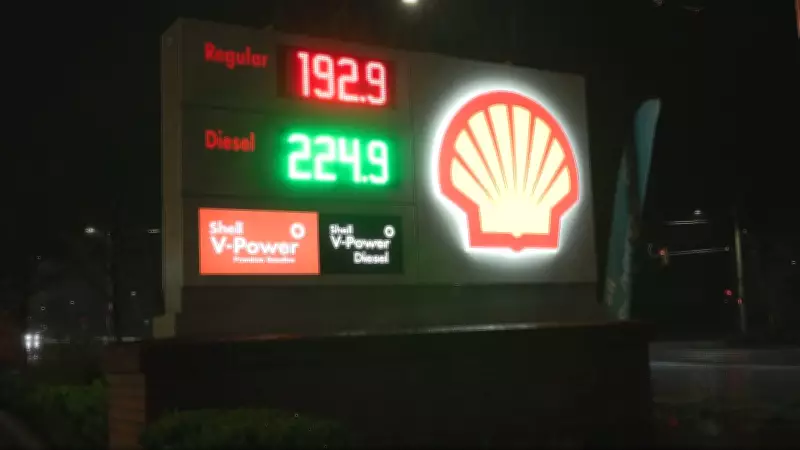
Drivers in Metro Vancouver may soon face a significant increase at the pump, with gas prices potentially rising by up to 7 cents per liter by Monday, according to a recent analysis. This forecast comes as residents already grapple with some of the highest fuel costs in North America, raising concerns about the economic impact on households and businesses.
Understanding the Price Surge
The predicted increase is attributed to a combination of factors, including seasonal demand shifts, refinery maintenance schedules, and fluctuations in global crude oil markets. Analysts note that such spikes are not uncommon during transitional weather periods, but the magnitude of this potential rise is particularly noteworthy for the region.
Local experts emphasize that Metro Vancouver's fuel market is uniquely sensitive due to its reliance on specific supply chains and environmental regulations. These factors often contribute to price volatility, making accurate forecasting essential for consumers and industry stakeholders alike.

Broader Context and Implications
This news arrives amid a series of other developments across Canada, including:
- Evacuation alerts along the Chilliwack River following heavy rainfall.
- The ratification of a new four-year deal for B.C. community health workers.
- Ongoing investigations into fraudulent activities at a Calgary car dealership.
However, the gas price prediction stands out for its immediate relevance to daily commuting and transportation logistics in the Lower Mainland. With many residents dependent on personal vehicles for work and errands, even a modest increase can strain budgets significantly.
What Drivers Can Expect
If the analyst's projection holds true, the average price for regular gasoline in Metro Vancouver could approach or exceed previous record highs. Consumers are advised to monitor price tracking apps and consider fueling up earlier in the weekend to potentially avoid the peak increase.
Industry observers suggest that while short-term spikes are likely, long-term trends will depend on broader economic conditions, including international oil production decisions and domestic policy adjustments. For now, Vancouverites should brace for a more expensive trip to the gas station in the coming days.